Today's edition
Weight and See
Good morning. Today is about two companies the market had already somewhat written off, and what each of them decided to do about it. Think Remember the Titans, except instead of a second-half comeback, we’ve got protein snacks and coal mines.
Oh, and did we mention there's also a fight over who owns an airport, as well as some advancements in Uber Eats drone deliveries? Let's get into it.
MARKETS
SHAKE ON IT
Nestle has an AI reading 120,000 of its own recipes for the people on Ozempic
Nestle, the company behind Milo and the Boost shakes, has spent two years being cast as a casualty of weight-loss drugs. On Monday its chief technology officer, Stefan Palzer, told Reuters the company reads the same trend as a shopping list. Rapid weight loss strips lean muscle along with fat and leaves the hollowed cheeks people call Ozempic face, and those consequences are now product specifications. In response to this, an internal system Nestle calls Food Genie has AI tools reading the clinical research and screening combinations across a database of about 120,000 of its recipes.
What has come off the line so far:
- A two-micronutrient combination Nestle says it industrialised to help muscle grow back faster.
- Boost Advanced, carrying 35 grams of protein, and a higher-protein Milo PRO sold in Asia and Australia.
- Collagen going into the Vital Proteins range.
And this isn’t just an American trend. You don’t have to look far to see GLP-1 drugs taking off in South Africa too: Mounjaro has reportedly become the country’s biggest pharmaceutical product by sales, while Wegovy and Ozempic are already available. So Nestlé is effectively betting that as millions more people start eating less, they’ll create an entirely new market for snacks designed to give them the nutrition they’re no longer getting from bigger meals.
COAL COMFORT

Thungela has paid ten dividends since Anglo American spun it out with eight years of mine life
Thungela Resources, the coal exporter Anglo American listed separately in 2021, reported half-year numbers on Monday: core earnings up 150% to R4.80 a share, revenue up 2% to R15.2 billion, and a dividend of R5.50 a share - its tenth since listing.
Hold onto your hats, because profit rose 461% to R1.39 billion - though about R1 billion of that is a non-cash gain tied to the sale of the Kleinkopje mining right. The mines came across with a weighted-average life of about 8.3 years, but finance chief Deon Smith now calls that life multidecade - built on the Annea and Zibulo North extension projects and the Ensham mine in Queensland.
Rail has loosened as well. Transnet's coal corridor ran at 59.9 million tonnes a year in the first half against 56.8 million in 2025, which Smith says leaves the company free to ramp up, and chief executive Moses Madondo is studying an expansion at Ensham. Most interestingly to us, almost half of first-half revenue came from India.
BAGEL BITE
Which flower does the spice saffron come from?
A. Safflower
B. Crocus
C. Marigold
DOING THE ROUNDS

CemAir wants the Competition Tribunal to block the sale of FlySafair. Harith Aviation is buying Safair Holdings, which owns FlySafair and carries about two thirds of South Africa's domestic passengers. CemAir's objection is about who owns what: Harith InfraCo already holds 37.5% of Lanseria - the airport where FlySafair is the only airline flying. The Competition Commission has recommended approval with conditions covering information sharing and fair access, and counsel for the merging parties called CemAir's case a dangerous and disturbing thesis. Full story →
Absa lifted half-year earnings 8% to R12.8bn, and South Africa did nearly all of it. Earnings from the South African business rose 17% to R9.19bn while the rest of the continent fell 10%. The interim dividend goes up 8% to 850 cents. These are the first full six months under Kenny Fihla, who moved the bank to three pan-African units in January. It's also worth noting that corporate and investment banking, its biggest earner, grew a mere 1%. Full story →
India has made it easier for South African citrus exporters to sell fruit there after nearly a decade of talks. Exporters now have more options for how citrus is kept cold during shipping to kill pests, which farmers say should protect quality and make shipping easier. But import duties of around 25% to 30% remain, leaving South African fruit at a disadvantage to other competitors in the southern hemisphere. Full story →
Uber is putting drones on Uber Eats and buying a stake in the company that flies them. Zipline already operates in Rwanda, Ghana, Nigeria, Kenya and Japan, and makes a delivery somewhere in the world every 20 seconds. Neither side will say what the stake cost. First drop-offs land later this year in the American markets Zipline already serves, then dozens more cities, with a target of one million drone deliveries a day by the end of 2029. Full story →
WEATHER

BAGEL GAMES
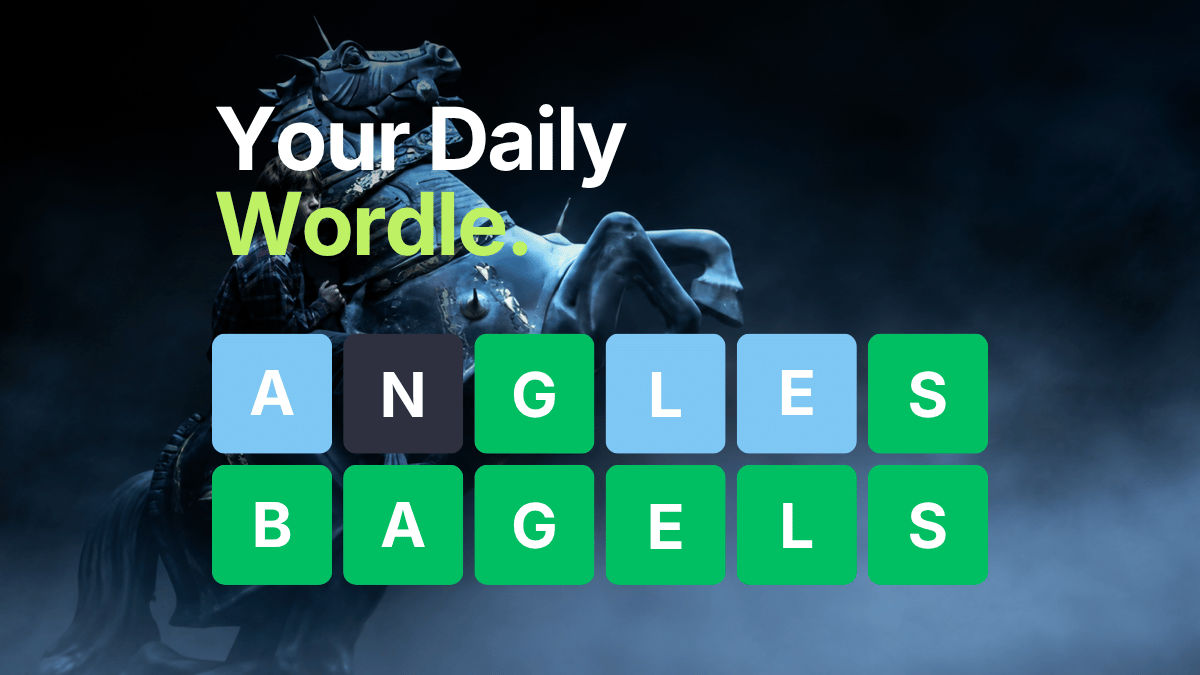
Have you got what it takes to win today’s Wordle? Play here →
THE ANSWER
As for the Bagel Bite, the answer is: B. Crocus
Each flower produces only three tiny thread-like stigmas, which must be picked by hand. It takes roughly 150,000 flowers to make a single kilogram of saffron, which is why it costs more by weight than almost anything else in the kitchen. Safflower and marigold petals are sometimes sold as cheaper substitutes, but real saffron only ever comes from the crocus.
That's your Wednesday wrap. Enjoyed it? Forward it on, a friend can subscribe in a click. Written by the Business Bagel crew.