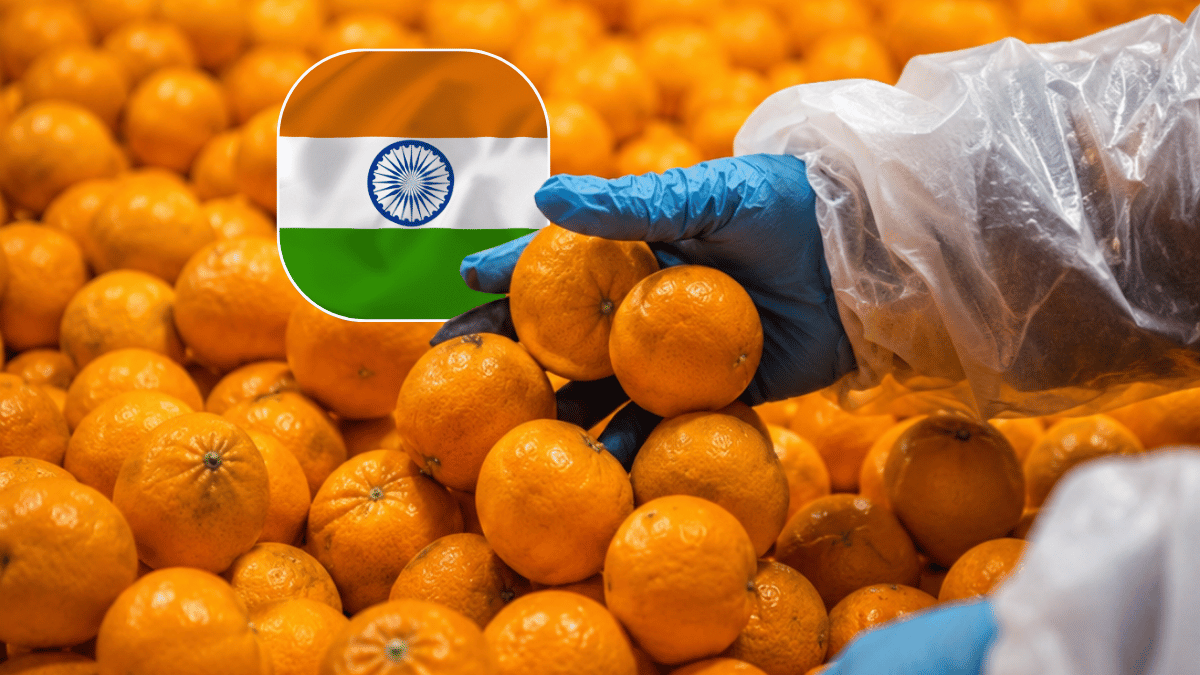
India has approved additional treatment options for fresh citrus fruit from South Africa, the Citrus Growers' Association of Southern Africa and the Department of Agriculture said in a joint statement on Monday. It took nearly a decade of negotiations to get there. South Africa already exports citrus to India using various treatments for fruit flies, so what has widened is the set of approved cold treatments an exporter may choose from, rather than a closed door swinging open.
Why more options matter
Cold treatment is the chilling that citrus has to go through in transit to manage fruit fly risk, and until now South African exporters shipping to India were limited to a previously approved set of protocols. More approved options mean more room to plan a consignment around the treatment and transport arrangements that are actually available. The growers' association says the change will improve the quality of the fruit arriving in the market and adds important logistical flexibility.
Agriculture minister Willie Aucamp said the approval shows how advanced technology is letting South African farmers push through barriers so other countries can enjoy local produce. CGA chief executive Boitshoko Ntshabele credited the Department of Agriculture and Citrus Research International for years of technical engagement with Indian authorities, and called it a case for sustained public and private partnership on market access.
The number that has not moved
India takes about 1.5% of South Africa's citrus exports, on 2024 data from the National Agricultural Marketing Council, from a population of roughly 1.47 billion. Ntshabele says attention now shifts to the commercial terms. Most favoured nation duties of about 25% to 30% still leave South African fruit at a disadvantage to southern hemisphere competitors that hold preferential tariff deals.
Citrus is South Africa's leading agricultural export at 17% of the country's $15.1bn in farm exports in 2025, and growers shipped a record 203.4 million 15kg cartons that year against a target of 260 million by 2032, so the volume looking for a home is real. The association wants the Department of Trade, Industry and Competition to take the tariff question on, and points to progress in the trade agreement talks between the Southern African Customs Union and India as the route to better access. Agbiz chief economist Wandile Sihlobo, who has flagged how hard South African farmers find it to sell into the country's diplomatic partners, called India's move one in the right direction.