
New factory orders jumped back above the growth line in September, and hiring went the other way
The Absa factory index climbed back above 50 in September on a jump in new orders, but jobs fell and Durban's port delays flattered the reading.

Growth, inflation, jobs, the Reserve Bank and the forces shaping South Africa’s economy.
The Absa factory index climbed back above 50 in September on a jump in new orders, but jobs fell and Durban's port delays flattered the reading.

PayInc's net salary index shows take-home pay up in rand but down 2.6% after inflation, and a separate count of the food basket shows what that looks like at the bottom of the pay scale.

North-West University's policy uncertainty index eased sharply in the third quarter, but the reading still signals heightened uncertainty, with a budget and municipal elections ahead.

BDO estimates South Africa missed R6.5 billion in overseas tourist spending in 2025, the same year it set a record for arrivals.

The Reserve Bank's direct investment figure more than doubled in the second quarter on one telecoms company's loan from its foreign parent, while Stats SA counted 14,000 fewer formal jobs.
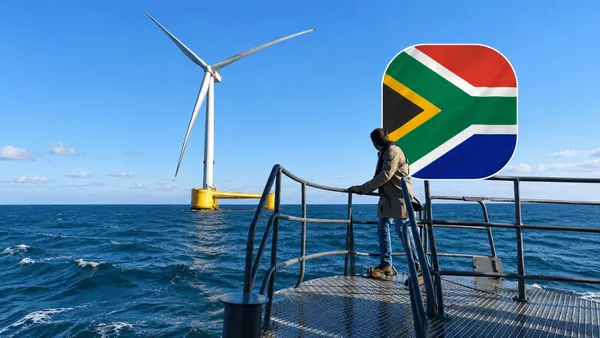
The 810MW Gagasi project off Richards Bay is preparing to resubmit its environmental report, and as the first application of its kind it still needs everyone's role worked out.

Hiring a giant crude tanker from the Gulf now costs more than $1 million a day, and South Africa's monthly fuel price is built to include the shipping.

Stats SA counted 114 insolvencies in August and 1,010 for the year, and the credit insurer Coface is forecasting the number straight back up.
The Reserve Bank's forward-looking index fell 0.9% in July, its second monthly drop, with slower money supply growth and fewer building plans doing most of the damage.

Wars involving Iran and Ukraine have taken refined fuel out of the global market, and the South African pump price is set off what the world charges for it.
 Editor’s pick
For the two decades before 2008 Eskom's price rose slower than inflation, and for the eighteen years since it has risen roughly three times faster.

Fewer children, slower population growth and one productivity assumption of 1.2% a year that the report says the spread of AI is likely to support.