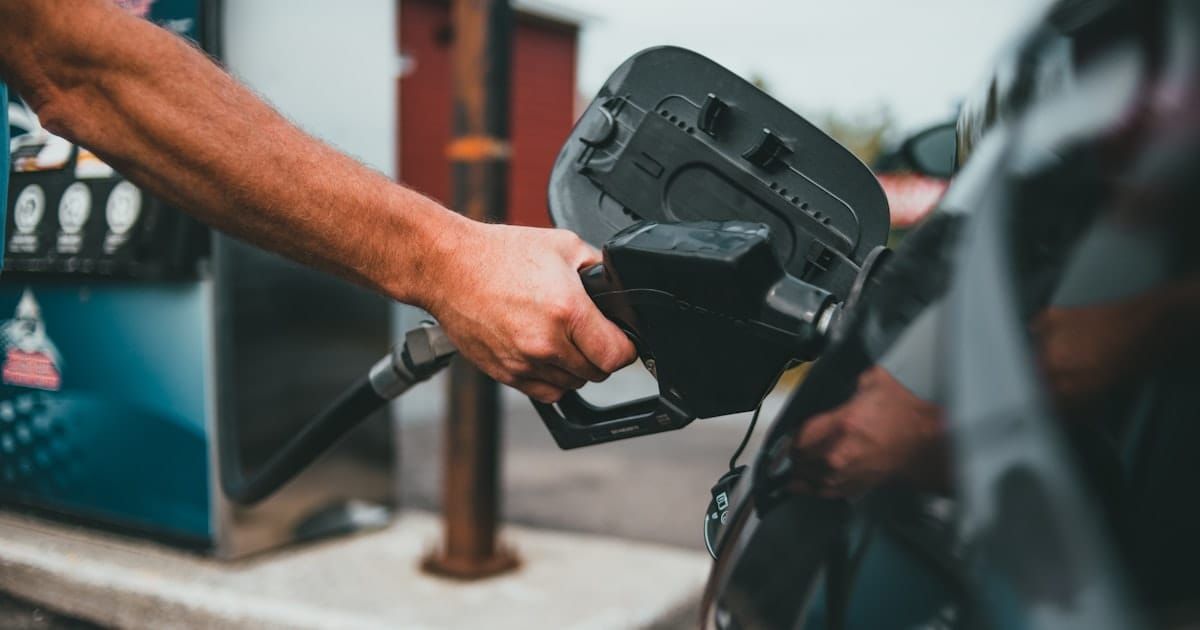
South African motorists are in line for meaningful relief at the pumps in July, with current data pointing to a petrol price cut of around R1.10 per litre — and diesel users could see reductions of close to R3 per litre.
The good news comes despite National Treasury adding the full fuel levy back into prices from July, which will claw back R1.50 per litre on petrol and R1.96 on diesel. Even after that offset, the Central Energy Fund's over-recoveries remain firmly positive.
The numbers behind the cut
As at 9 June, the CEF's daily snapshot showed over-recoveries of R2.60 per litre for both grades of petrol, R4.83 for 0.05% wholesale diesel, R5.03 for 0.005% diesel and R5.61 for illuminating paraffin. Netting off the returning levy still leaves projected cuts of R1.10 for petrol and between R2.87 and R3.07 for diesel.
Investec chief economist Annabel Bishop said the continued over-recovery "will aid lower inflation", noting that a falling fuel price is a welcome counterweight after the sharp increases earlier this year pushed consumer inflation to the upper end of the Reserve Bank's tolerance band.
Oil and the rand both helping
Both sides of the fuel price equation are currently working in consumers' favour. Global oil prices have eased to around $93 a barrel after Iran and Israel halted strikes on each other, although Citadel Global managing director Bianca Botes cautioned that the situation remains fragile and markets are still on edge.
The rand, meanwhile, has been resilient at around R16.45 to the dollar, supported by Fitch's recent credit rating upgrade and better-than-expected first-quarter GDP figures. Bishop noted that a 25 basis point repo rate hike is expected in July, which should lend the currency further support.
The usual caveats apply: the final adjustment will only be confirmed at month-end, and changes to the slate levy could still shift the numbers. But for households squeezed by months of rising transport costs, July is shaping up to deliver a rare bit of breathing room — and a helpful nudge in the fight to bring inflation back towards the SARB's 3% target.
Compiled by Business Bagel from reporting by BusinessTech.