The Middle East scare that spooked energy markets is easing, and oil prices are quietly sliding with it. Brent crude, the international benchmark, fell about 2% on Tuesday to the mid-$86 range, its third straight session of losses, after a pause in fighting between the United States and Iran held. The retreat has calmed fears of a supply shock in a conflict that had upended energy supplies, and it points to gentler pressure on fuel costs if it lasts.
A fragile calm The immediate driver was diplomacy rather than a change in the barrels actually being pumped. Prices extended their drop after President Donald Trump said the US was engaged in "good talks" with Iran aimed at ending the conflict, fuelling optimism that normal oil flows from the region could resume. Tehran has rejected reports that it agreed to a 10-day ceasefire, but a temporary pause in hostilities has held, and that alone was enough to take some of the risk premium out of the price. US West Texas Intermediate crude, the American benchmark, followed the same path lower. The slide has been building for days: on Monday, Brent had already fallen toward $87 a barrel, its lowest level in more than a week, as optimism grew that the Middle East conflict could soon ease.
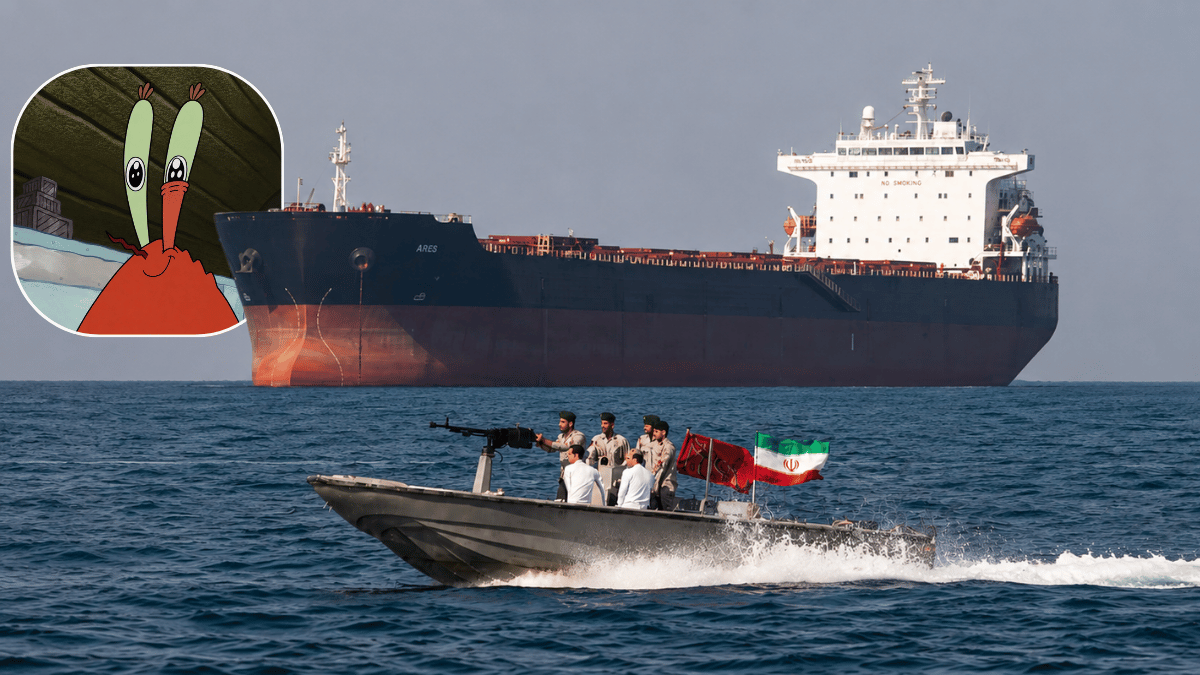
Why analysts are still cautious Not everyone is convinced the calm will stick. The Commonwealth Bank of Australia said the pause appears to have weakened expectations that the conflict would escalate into attacks on civilian and energy infrastructure, but warned that a dispute over the Strait of Hormuz, the vital shipping lane at the mouth of the Gulf, could see hostilities reignite. Goldman Sachs struck a similar note, telling clients that Brent should moderate to around $80 a barrel by the end of the year if Hormuz fully reopens over the final three months. The bank also flagged fresh wildcards, pointing to Red Sea disruptions and attacks on Saudi oil infrastructure as possible sources of upside risk for crude and refined-product prices.
For South African motorists, a sustained pullback in Brent is the kind of backdrop that eventually shows up at the pumps, which is why the standoff over Hormuz, and whether the US-Iran truce holds, is worth keeping an eye on in the weeks ahead.