
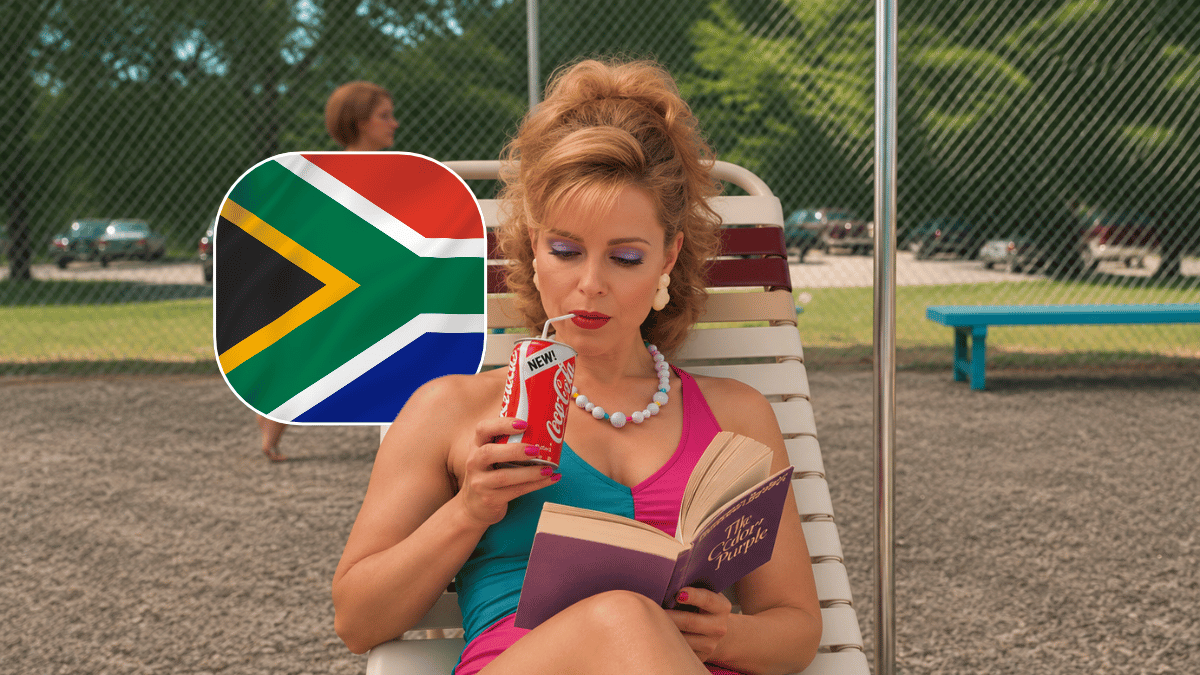
Next week is shaping up to be a pretty big one for Coca-Cola in South Africa. The company that bottles around 40% of all the Coca-Cola products sold in Africa is headquartered right here in Johannesburg, and on Friday 27 November it's set to come under Swiss ownership in a $2.6 billion deal. But what's interesting is what happens just days before that, because on Monday 23 November, its new owner starts trading on the JSE.
How a Coke gets from Midrand to your fridge
You see, Coca-Cola operates a little differently to how most people might imagine. The American company owns the brand, but it relies on bottling partners to make, distribute and sell its drinks. Its biggest partner on the continent is Coca-Cola Beverages Africa, or CCBA, which operates in 14 African markets, with 37 bottling plants and 106 production lines serving more than 800,000 outlets. It employs over 13,000 people, and its largest markets include South Africa, Uganda, Kenya, Ethiopia and Mozambique.
To give you an idea of the scale of this operation, CCBA recently spent R365 million on a new bottling line at its Midrand plant that can produce 72,000 bottles an hour. It's also the eighth-largest Coca-Cola bottling partner in the world by revenue. And it's younger than you might think: CCBA was formed in 2015 through a merger of the Coca-Cola Company, SABMiller and Gutsche Family Investments, and started operating as its own company in July 2016.
Who is buying, and who is selling
The company buying a 75% stake is Coca-Cola HBC, a Swiss-based bottler that already bottles Coke across much of Europe and has been in Nigeria since 1951. The biggest slice, 41.52%, comes from the Coca-Cola Company's side for about $1.3 billion in cash. The Gutsche family sells 33.48% for about $308 million in cash plus shares, leaving it with about 5.45% of Coca-Cola HBC. The Coca-Cola Company keeps the remaining 25% of CCBA, which HBC has the option to buy later.
Once the deal is done, Coca-Cola HBC becomes the world's second-largest Coca-Cola bottler by volume, responsible for roughly two-thirds of all the Coca-Cola products sold in Africa and serving about 1.2 billion consumers. And according to S&P, South Africa is expected to overtake Russia as its single biggest market, accounting for around 15% of its revenue.
Of course, there have been concerns locally about what this change in ownership means for jobs. Last year, Coca-Cola Beverages South Africa confirmed consultations on plans that could have cut as many as 680 jobs, almost 9% of its 7,700-strong local workforce. Our Competition Tribunal approved the acquisition in September with conditions attached, including restrictions on retrenchments and commitments to invest in South Africa's distribution and retail network. Those conditions weren't announced in full, but when the deal was first announced, Coca-Cola HBC's CEO, Zoran Bogdanovic, said it wouldn't lead to job cuts, because it was about growth. Only Tanzania's competition regulator still has to sign off, and the deal won't be implemented there until it does.
As part of its commitments when it agreed to buy CCBA last year, Coca-Cola HBC, which already has its primary listing in London, also agreed to a secondary listing on the Johannesburg Stock Exchange. The JSE fast-tracked it, and trading starts on Monday, four days before the deal completes. So at a time when we've become quite accustomed to seeing companies leave our stock exchange, we're about to welcome one worth around R340 billion. The Coke in your fridge won't change, but the company behind it will soon answer to an owner in Switzerland, one you'll be able to buy shares in right here at home.


