
Today's edition
Stuck in Port
Presented by
Good morning! Sometimes, trying to fix something can end up making it considerably worse, and today we’ve got two expensive examples, from South Africa’s busiest port to one of the world’s biggest technology companies. We’ve also got Richemont’s sparkling results, more boardroom drama at SPAR and a remarkable turnaround at EasyEquities. Let’s get into it.
MARKETS
SHIP HAPPENS
Durban’s biggest port terminal is in crisis, and the ripple effect reaches factories, hospitals and your wallet
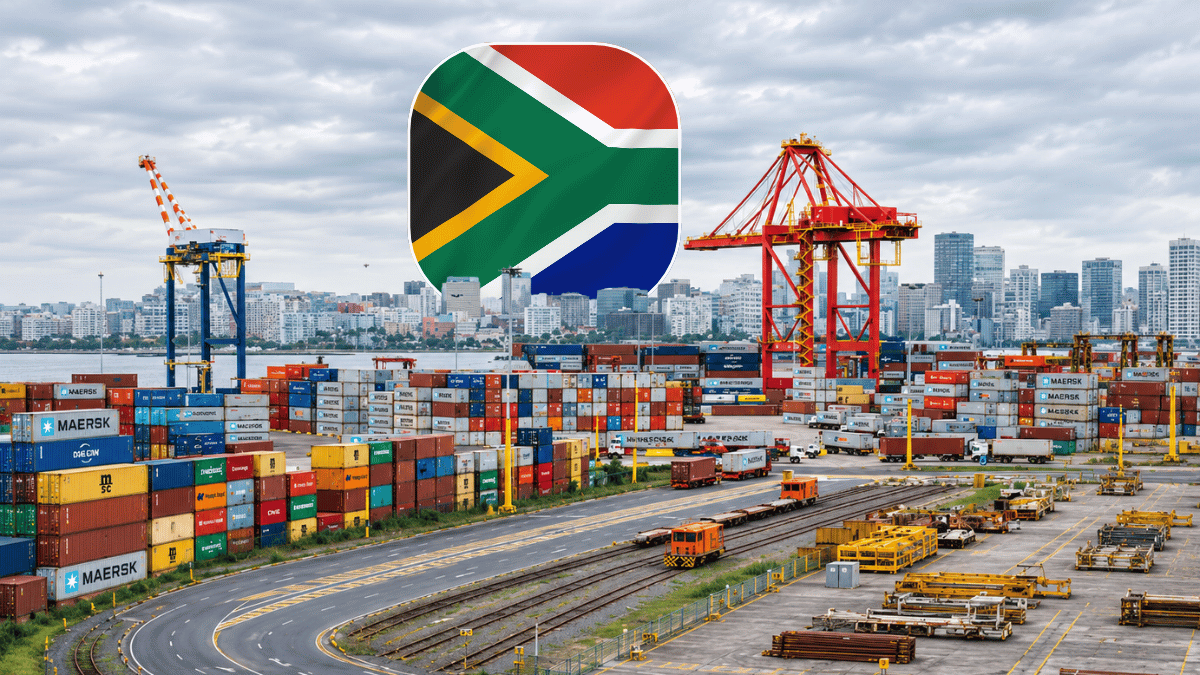
Some people have a remarkable talent for turning a bad situation into an even worse one. And the best part is, they’re usually convinced they’re helping. Well, something similar has happened at South Africa’s biggest container terminal in Durban, where an attempt to fix years of operational problems has actually made things worse.
Durban is our busiest container port, and its Pier 2 terminal alone accounts for roughly half of our container traffic. But for years, ageing equipment, broken cranes and operational inefficiencies have left ships waiting offshore and businesses struggling to get their goods delivered. So Transnet decided to bring in some outside help.
How the fix backfired
- In January, Philippines-based ICTSI took over Pier 2 under a 25-year partnership, and in August it brought in new software for container movements and truck bookings. Weekly throughput reportedly fell 26%, and delays have stretched to as much as 20 days.
- Car parts supplier Metair has had to fly in parts at huge expense, its shares plunged around 35%, and it’s warned it might invoke force majeure. Businesses across the country face higher costs, which could eventually mean higher prices for you and me.
- This isn’t a new phenomenon: businesses tend to underestimate how hard big system switches are, and SPAR’s disastrous SAP rollout showed how badly they can go wrong.
Except here, the consequences go far beyond one company, with the disruption sending ripples throughout South Africa’s economy.
OUT OF OFFICE
Microsoft 365 went down in 74 countries from Thursday to Saturday, and here’s what actually broke
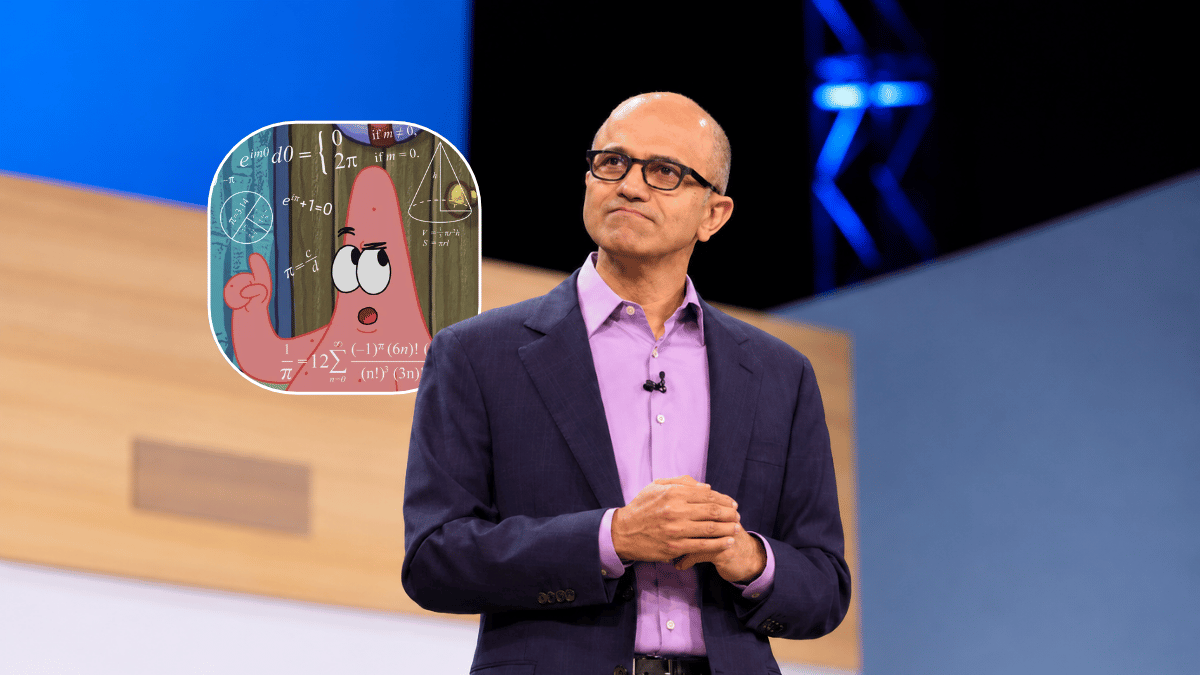
Speaking of software causing chaos, Microsoft has just given us another expensive example. From Thursday evening until early Saturday, Microsoft 365 suffered a massive outage affecting users in 74 countries and territories. We’re talking about Outlook, Teams and Copilot, with South African businesses and government organisations also affected. In fact, one estimate from a US research firm puts the global cost at as much as $7 billion in lost productivity.
So what actually went wrong? Microsoft says it wasn’t a cyberattack. An earlier network upgrade created a problem that only surfaced after another recent change. Part of the system became overwhelmed, causing servers to stop responding. And when Microsoft tried bringing them back online, some stopped working again. More than 1,000 engineers and employees worked to restore services, which finally returned on Saturday morning.
Yet with over 450 million commercial users, Microsoft’s shares barely moved, because replacing these systems is so expensive and complicated. Even when they fail, customers have little choice but to wait.
BAGEL BITE
Which famous gaming company started out making playing cards?
A. Sony
B. Nintendo
C. Sega
DOING THE ROUNDS

And one company caught up in that Microsoft outage was Richemont. Its half-year results had to be delayed, but when they arrived, they sparkled. Sales rose 16% to €12.3 billion, while profit jumped 39% to €2.5 billion, driven by its jewellery brands. Now, Richemont could be looking to secure its own diamond supply. It’s reportedly in talks to join the Global Diamond Consortium, the preferred bidder for Anglo American’s majority stake in De Beers, alongside Botswana, Namibia and Angola. Its CEO says natural diamonds remain important to its collections, but wouldn’t comment on the deal. Full story →
And SPAR’s efforts to sort out its leadership have hit another setback. On Thursday, the retailer confirmed Lwazi Koyana as chairman and appointed former Massmart CEO Grant Pattison from February. But a day later, turnaround expert Phil Roux rejected a board seat, despite backing from SPAR’s franchisees. This follows the resignation of SPAR’s previous chairman and deputy in August, after disagreements with those franchisees. And with its share price down roughly 75% over five years, getting everyone on the same page is proving easier said than done. Full story →
EasyEquities owner Purple Group has reported its best year ever. Profit before tax jumped 36% to R150 million, while active clients reached 1.3 million. But here’s the impressive part. Three years ago, each active retail client earned the business just R2 annually after costs. Today, it’s R146. That’s quite a turnaround, although crypto revenue fell nearly 40%. Looking ahead, CEO Charles Savage says AI will play a much bigger role, but insists a human will remain accountable for anything it does for clients. Full story →
And finally, Standard Bank is teaming up with JPMorgan to help businesses move money faster. It’s gaining access to Kinexys, JPMorgan’s blockchain payment network, which processes around $7 billion daily. Unlike traditional banking systems, it operates 24/7, meaning corporate clients won’t have to wait for normal banking hours to move funds. The partnership could eventually allow businesses to automate payments based on predefined rules and settle international transactions almost instantly. But those features are still being explored, with no timeline for their introduction. Full story →
WEATHER
BAGEL GAMES

Have you got what it takes to win today’s Wordle? Play here →
THE ANSWER
As for the Bagel Bite, the answer is: B. Nintendo
Nintendo was founded in Kyoto, Japan, in 1889, and its first product was hanafuda, a type of traditional Japanese playing card. It only moved into video games almost 90 years later.
That’s your Monday sorted. Enjoyed it? Forward it on — a friend can subscribe in a click. Written by the Business Bagel crew.