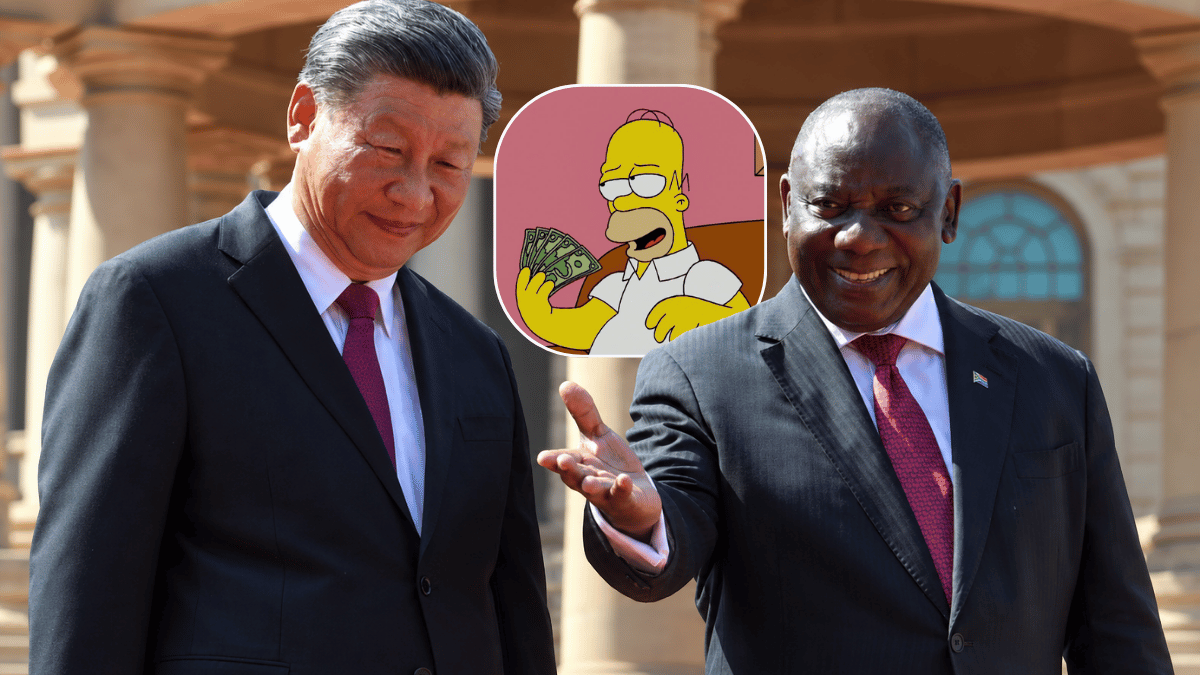
China made the offer in February, in President Xi Jinping's congratulatory message to the African Union summit, and it took effect on 1 May. South African goods that meet the rules of origin, the test that they really were made here, can now enter China without customs duties, and that covers every product apart from 47 tariff lines held to quotas.
The paperwork shows exporters are using it. The proof that a shipment qualifies is a certificate of origin, the official document that says the goods were produced in South Africa, and SARS issued 25,975 of them between 1 June and 31 August. Over the same months, customs declarations to export, the applications filed before goods leave, were up 199% on a year earlier. That is a count of applications, not rand, and none of the figures released so far puts a value on the exports themselves.
A window with an end date
The scheme is China's alone, offered one way, and it runs only until 30 April 2028. "The zero-tariff treatment runs for two years, and we are not waiting for it to expire," Trade, Industry and Competition Minister Parks Tau told a briefing in Pretoria on Thursday. Negotiators spent last week in Beijing working on an early harvest agreement through the Southern African Customs Union, a preliminary deal that would lock in permanent access before a full trade agreement is reached.
That deal would be reciprocal, which means the customs union would be expected to give something back. Tau wants the access to turn into industry: "not only more trade, but more factories, more processing and more jobs here at home". South Africa has drawn up a list of 100 value-added products to push in China, from agro-processing and cosmetics to machinery and automotive products.
The other side of the ledger
China is already South Africa's largest trading partner, and the trade runs mostly one way. In 2025 South Africa sold it R222 billion of goods and bought R420 billion, so for every rand earned in China almost two went back. Since 2021, imports from China have grown about four times as fast as exports to it. "A relationship of this importance must rest on predictable rules and balanced trade," Tau said.
The early harvest deal is still being negotiated, and the zero tariffs have about eighteen months left to run.