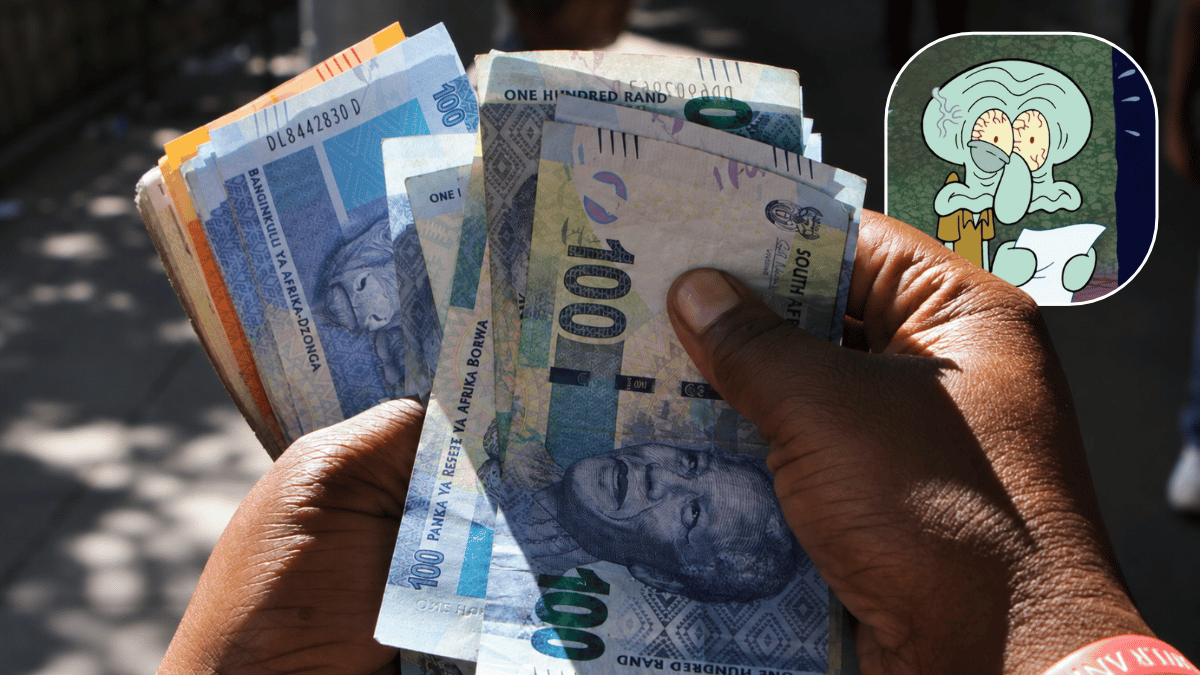
The rand has had a rough couple of weeks. On Monday it was trading at R16.96 to the dollar, holding close to its weakest level in months, after sliding towards R17 last week. It was also at R22.40 to the pound and R18.69 to the euro. And this week it faces two big tests at home: October's inflation figures today, and the Reserve Bank's interest rate decision tomorrow.
A strong dollar and softer metals
Most of the pressure has come from overseas. Hotter-than-expected inflation in the US and tough talk from the Federal Reserve pushed American bond yields higher, and markets started pricing in a possible 25- or 50-basis-point US rate hike in December. That strengthened the dollar, and with precious metal prices also softer, the rand slipped. Weak local manufacturing and mining output didn't help either. On the JSE, the All Share Index ended last week largely flat, as small gains in financials and industrials offset a 1.2% drop in basic materials.
Inflation first, then the Reserve Bank
Then there's inflation. It edged up to 4.5% in September, above the Reserve Bank's target for a fifth month in a row, and October's figure is projected to jump to 5.6%, driven by a 43.4% surge in fuel prices along with rising food and service costs. Headline inflation is forecast to stay above 5% through the end of this year and into early 2027. There is some relief from oil, with easing Middle East supply concerns pushing Brent crude down 22% in November to just over $90 a barrel, but significant inflation risks remain.
That puts the Reserve Bank's Monetary Policy Committee in a tricky spot when it meets on Thursday. Policymakers face a close call between holding rates and another 25-basis-point hike, and analysts lean towards tightening because inflation remains above the Reserve Bank's target. A higher October number would strengthen the case for a hike, although the outcome remains uncertain.
For anyone paying off a home or a car, Thursday matters. A hike would mean bigger repayments just as fuel prices have already squeezed household budgets, while a hold would leave the rand to keep riding out a strong dollar on its own.