
Today’s edition
Passive Aggressive
Good morning. A South African company’s share price jumped 23% in a day without the company announcing a thing. Today, we’ll explain how that happens. We’ve also got electricity prices surging, a fish company running short of fish, and ransomware gangs hacking each other. Let’s get into it.
MARKETS
INDEX LINKED

One share rose 23% on Friday and another fell 11%, and neither company had announced a thing
Nobody at Stadio Holdings announced anything on Friday. The private higher education group, which runs colleges and universities, watched its share rise 23% anyway, and RCL Foods fell 11% the same day without putting out a trading statement, a deal or a warning either.
Both moves trace back to one meeting on 2 September, when the JSE and FTSE Russell ran their quarterly review of the All Share index. Stadio went in, RCL Foods came out, and the change took effect after Friday’s close. Every fund that tracks the index has to hold what the index holds, at whatever price the screen shows.
What actually moved it:
- Stadio joined the All Share index alongside Canal+, Greencoat Renewables and Brait. RCL Foods and Primary Health Properties came out.
- The largest fund tracking that index, Satrix Alsi, runs R9.3 billion, and it had to own Stadio from Monday.
- About 22 million Stadio shares changed hands on Friday, against a couple hundred thousand on an ordinary day.
Money that arrives on a rule can leave the same way. Premier jumped 26% the Friday it joined the index in 2024 and closed 12% lower on the Monday. Stadio was about 11.7% below Friday’s close by late morning on Monday.
CURRENT AFFAIRS
Electricity is heading for ten times its 2008 price, while everything else sits at two and a half
The last time electricity felt cheap, Eskom was charging 24.7 cents a unit and the year was 2008/09. By March this year it was charging 241.64 cents, on figures Daily Investor published from the data firm Codera Analytics. That is about 14.5% a year since 2008, against inflation of about 5%. By the end of the 2026/27 financial year that puts power at ten times its 2008 price, with everything else in the shopping basket at about two and a half.
None of it was Eskom’s to decide on its own. The National Energy Regulator signs off every increase, and until 2008 it signed off very little: 5.9% that year. Then Eskom asked for a 60% revision to cover rising costs and its building programme, and got 14.2%, then another 13.3%. The increases stayed in the twenties and low thirties until 2013. The argument behind them has not changed since 2005, when Eskom said present prices were unsustainably low and that a new power station costs six to seven times an existing one. It then built Medupi, Kusile and Ingula, and much of the R328 billion of state-guaranteed debt on its books came from that.
April’s increase was 8.76%, 9.19% is already approved for next year, and the next application to the regulator covers the years from 2029.
BAGEL BITE
Which mammal has the longest pregnancy?
A. Giraffe
B. Elephant
C. Rhinoceros
DOING THE ROUNDS
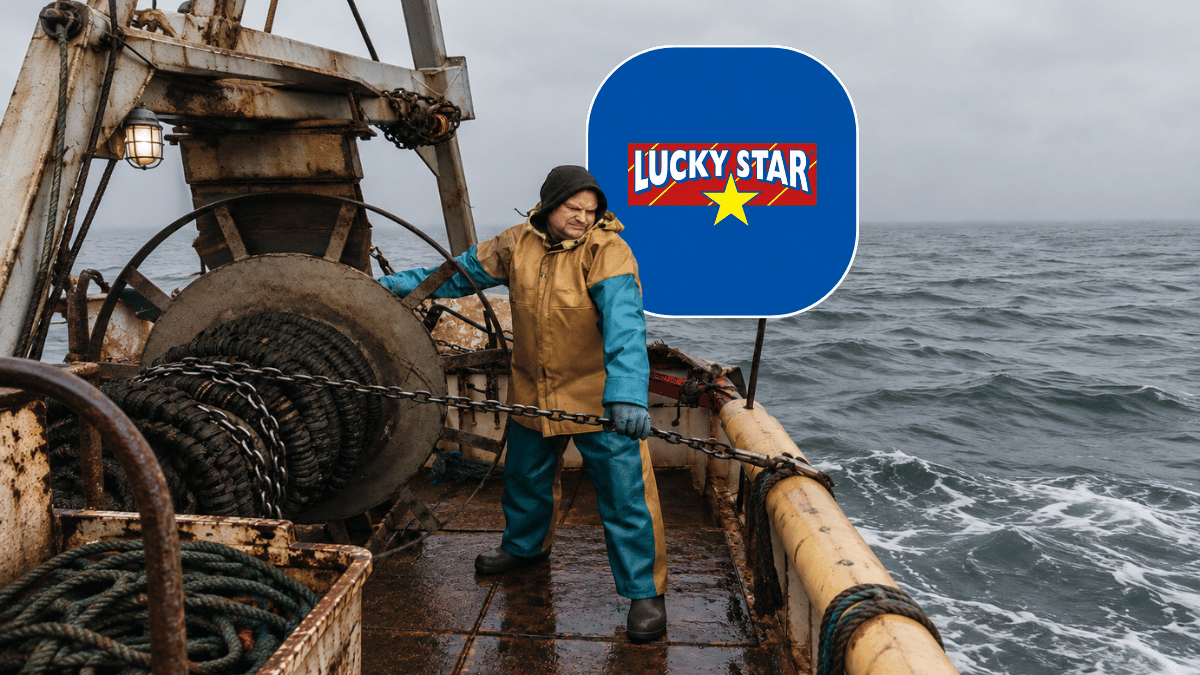
Lucky Star has a fairly fundamental problem: it cannot get enough fish. Shortages of frozen fish have left Oceana unable to produce enough canned pilchards to meet demand, with canned fish sales volumes down 9% in the 11 months to August. Local canning production fell 60%, which also makes every tin more expensive to produce because the same factory costs are being spread across far fewer of them. Canned meat helped make up some of the lost sales, but Lucky Star ended the period with significantly less inventory than a year ago. Full story →
South Africa’s biggest listed residential landlord is making money by selling some of its apartments as well as renting them out. SA Corporate says it is selling selected flats for more than they cost, while demand from renters remains strong, with just 3.6% of its units empty at the end of June. The company increased its half-year dividend by 7% to nearly 14 cents a share, and says more than 400 days without load shedding also helped keep costs down and its properties running more smoothly. Full story →
The ransomware industry has reached a pretty ironic point: the criminals are now hacking each other. ShinyHunters broke into the website used by rival gang Clop to publish stolen information, replacing it with cartoon artwork and a message mocking them. It also claims to have stolen some of the software behind Clop’s site and the keys needed to control it, although that has not been verified. The feud apparently goes back to a major Clop hack in 2025 that affected more than 100 companies. Clop has not responded. Full story →
Australia is having fewer children, and its Treasury has now written that into a 40 year growth forecast. The Intergenerational Report published on Monday cuts expected growth to an average 2% a year through the mid-2060s, from 3% over the past 40 years. Holding it up is an assumption that productivity keeps rising 1.2% a year, which the report says the spread of AI is likely to support. Treasurer Jim Chalmers says the country's advantages are moving from Chinese commodity demand and tourism towards renewables, critical minerals and AI services. Full story →
WEATHER
BAGEL GAMES
Have you got what it takes to win today’s Wordle? Play here →
THE ANSWER
As for the Bagel Bite, the answer is: B. Elephant
A calf grows slowly inside its mother for that long so it can be born large and well developed, ready to keep up with the herd. Newborn elephants can weigh around 100 kilograms and can stand within hours of birth. This long pregnancy means mothers invest enormous time and energy in each calf. Elephants usually give birth to just one baby at a time.
That’s your Tuesday covered. Enjoyed it? Forward it on, a friend can subscribe in a click. Written by the Business Bagel crew.