
Today's edition
Catching the Blue Wave
Presented by
Good morning, it’s Monday the 9th of November. What’s this blue wave everyone’s talking about, and why is it sending US tech stocks tumbling while South Africa’s markets rally? Also today, the collapse of a business Woolworths spent R21 billion buying, and how Shoprite’s controversial CEO pay plan survived a shareholder revolt. Let's get into it.
MARKETS
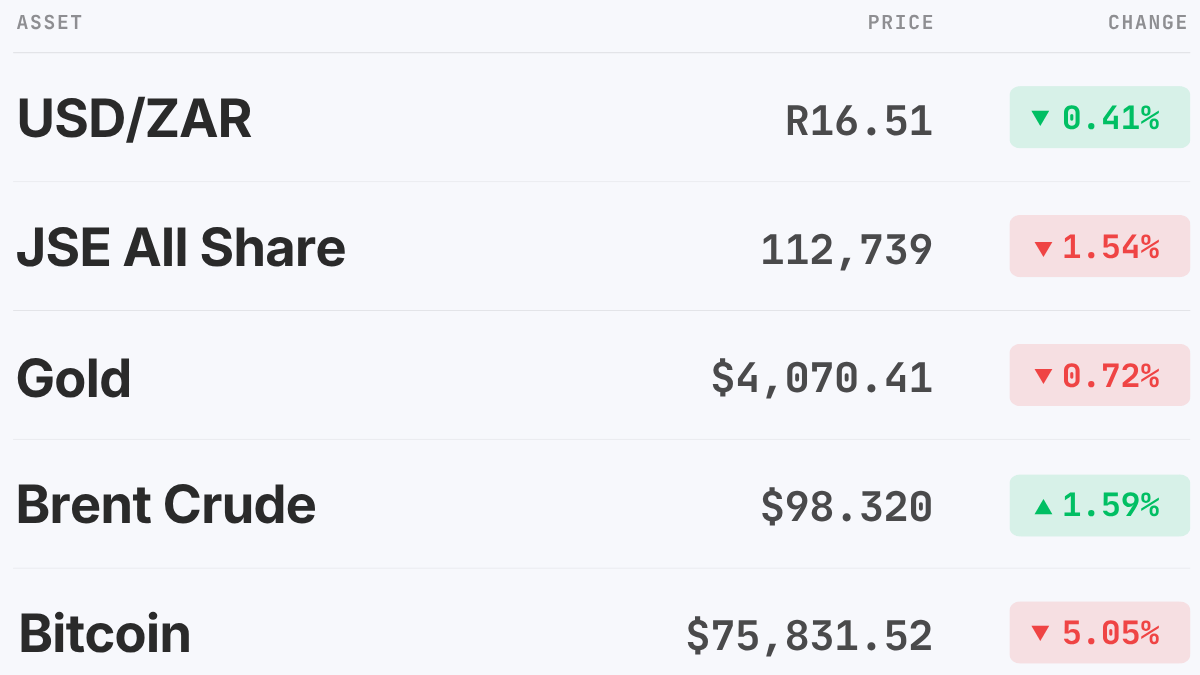
RIDING THE BLUE WAVE
America's blue wave wiped trillions off AI stocks, but it sent South Africa's JSE the other way
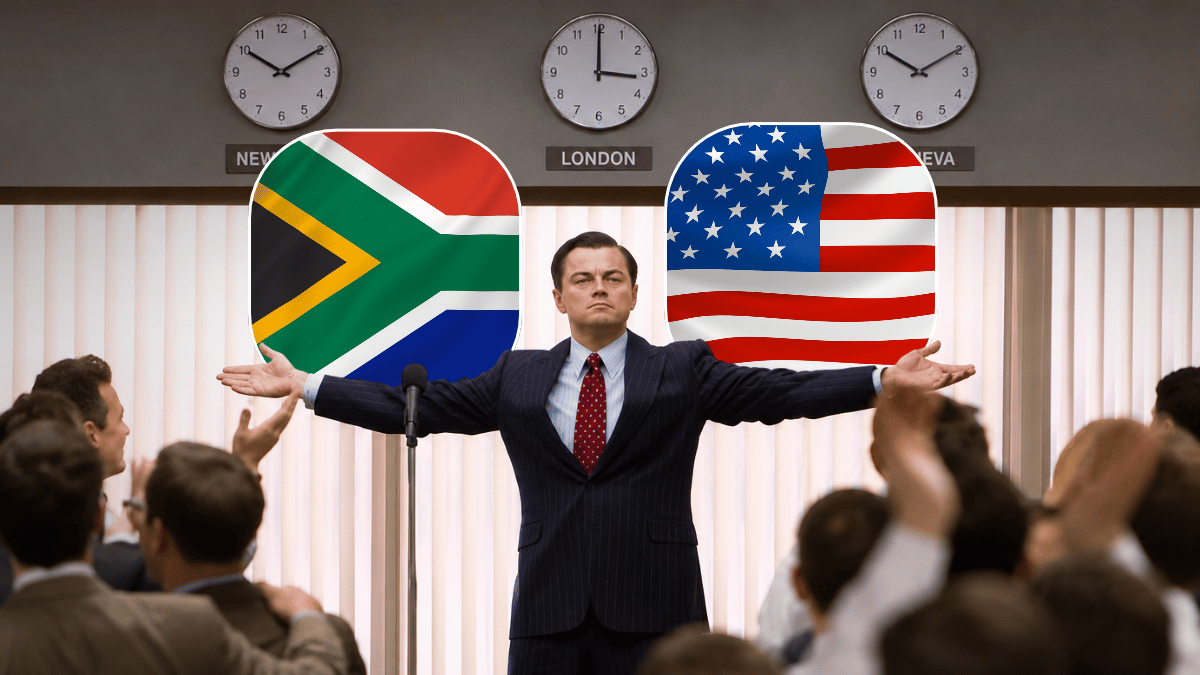
An election result in America has shaken the biggest bet in global markets: artificial intelligence. Last Tuesday, the Democrats swept the US midterms, in what's being called a blue wave: winning control of both chambers of Congress plus at least five governors' offices. By Thursday, more than $3 trillion had been wiped off US and global stock markets.
Many Democrats campaigned against the data centres that power AI, often over what they do to electricity prices, and Texas, home to 27% of planned US data centre capacity, elected a governor who promised to ban new data centre approvals until laws are passed to protect Texans.
From Wall Street to the JSE:
- The AI supply chain, from Nvidia's chips to cooling and electricity infrastructure, depends on new data centres being built, so slower approvals mean fewer orders and less revenue.
- Here at home, gold demand ramped up and lifted our miners, helping the JSE jump 3.67% on Thursday, while oil fell 10% on hopes of an earlier end to the Iran war.
- Democrats only take control of Congress in January, and Trump can veto any new federal legislation they pass, so tougher AI regulations are far from guaranteed.
And while parts of South Africa’s market, especially our gold miners, have benefited from all this uncertainty, just how long that uncertainty will continue benefiting us is pretty... uncertain.
DOWN UNDER AND OUT
Woolworths paid R21.4 billion for David Jones, and got out before the 188-year-old store collapsed
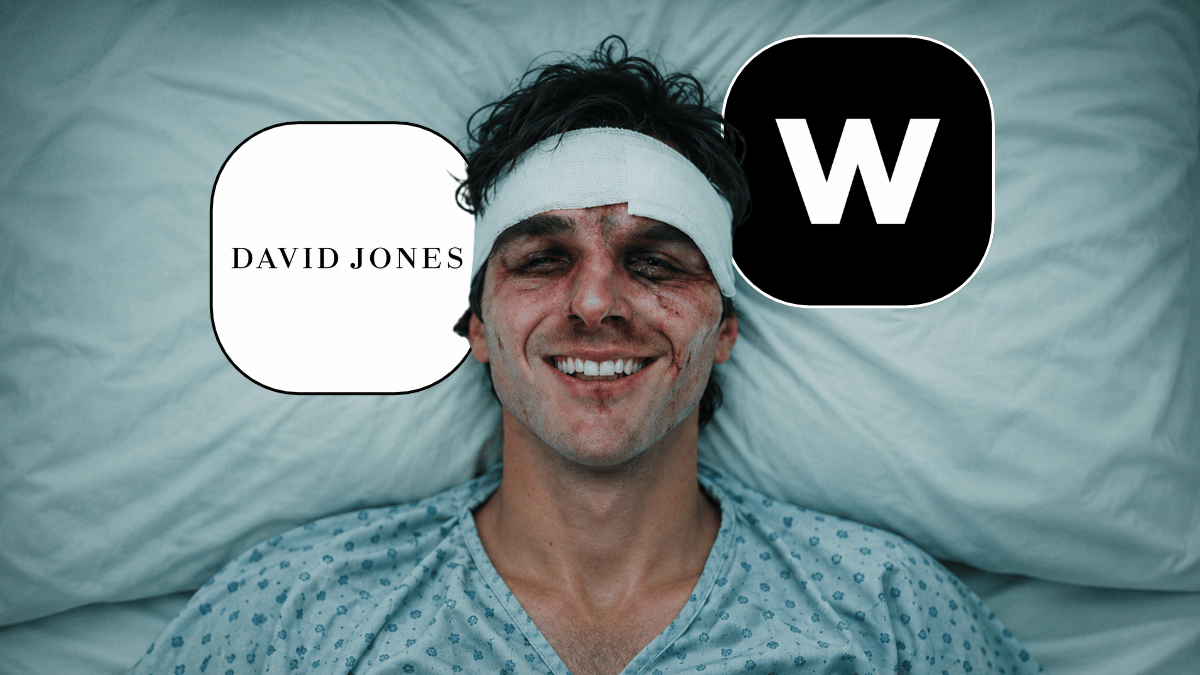
Australia’s oldest department store, David Jones, went into voluntary administration on Thursday after 188 years, a process similar to business rescue here. And while it’s no longer owned by Woolworths, South Africans might remember that they spent an absolute fortune buying it. Back in 2014, Woolworths paid R21.4 billion for David Jones, a 25.4% premium to its share price, with plans to create a leading southern hemisphere retailer. The company even expected the combination to generate at least R1.4 billion in additional annual earnings within five years.
But things went badly wrong. Australians were increasingly shopping online, David Jones was losing customers to competitors, and Woolworths was spending enormous amounts trying to keep the business afloat. By 2019, it had already written more than R11 billion off the value of its investment. Shareholders were furious, with some calling for Woolworths to sell David Jones and remove the CEO behind the acquisition, Ian Moir. He eventually stepped down in 2020, leaving his successor, Roy Bagattini, to figure out what to do with the struggling retailer.
Woolworths sold it in 2023, reportedly for around R1.5 billion, and selling when it did may have saved it from an even more expensive mistake.
BAGEL BITE
Which metal is the best conductor of electricity?
A. Copper
B. Silver
C. Gold
DOING THE ROUNDS

Optasia, the JSE-listed fintech that started out advancing airtime to people who couldn't top up their phones, grew revenue 45% to about $270 million in the nine months to September. But airtime is no longer the main event. Its microloans business now makes up about 72% of revenue, growing significantly faster than airtime credit. Optasia uses alternative data and machine learning to judge who is creditworthy, and it now wants more than 80% of its revenue from microfinance. In other words, it's becoming a lender first. Full story →
Nedbank has completed its R13.9 billion acquisition of a 66% stake in Kenya’s NCBA, giving it a major foothold in East Africa. NCBA already serves more than 60 million customers across six African countries, issuing around R127 billion in digital loans annually. So rather than building a banking business from scratch, Nedbank is buying control of an established lender, allowing it to earn money from existing operations while expanding beyond South Africa. The deal was funded through R2.9 billion in cash and 43.6 million new Nedbank shares. Full story →
Shoprite shareholders have approved a controversial incentive plan worth around R170 million to keep CEO Pieter Engelbrecht for another six years, provided he stays for the full period. But the proposal faced serious opposition, with major pension funds and shareholder advisers urging investors to reject it. 54% of ordinary shareholder votes ended up supporting the plan. Yet it passed with 71% overall, thanks to a separate class of shares through which billionaire Christo Wiese controls substantial voting power. Full story →
Investec has been granted an EU banking licence by the European Central Bank and the Central Bank of Ireland. Its Dublin subsidiary will become Investec Bank Europe, the hub for the group's lending across the EU, adding to the treasury and equities business it has run in Ireland since 2000. When it applied in May, CEO Fani Titi said Brexit meant UK banks could no longer operate as freely in Europe. Now Investec has its own front door into a bloc with about $45 trillion in assets. Full story →
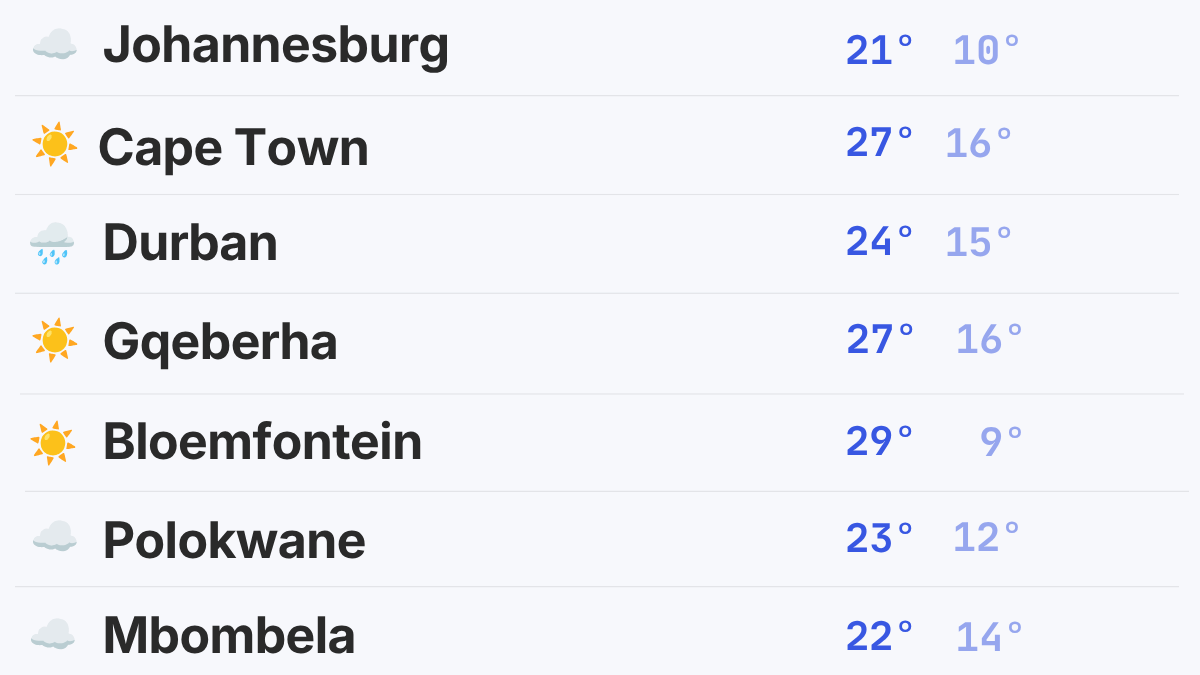
WEATHER
BAGEL GAMES
Have you got what it takes to win today’s Wordle? Play here →
THE ANSWER
As for the Bagel Bite, the answer is: B. Silver
Even though copper is used in most wiring, silver carries electricity slightly better. The reason copper is chosen instead is simply that it is far cheaper and still an excellent conductor. Gold is also a great conductor and resists corrosion, so it is often used in small electronic connectors. All three are superb conductors, but silver takes the top spot.
That's your Monday start, sorted. Enjoyed it? Forward it on — a friend can subscribe in a click. Written by the Business Bagel crew.