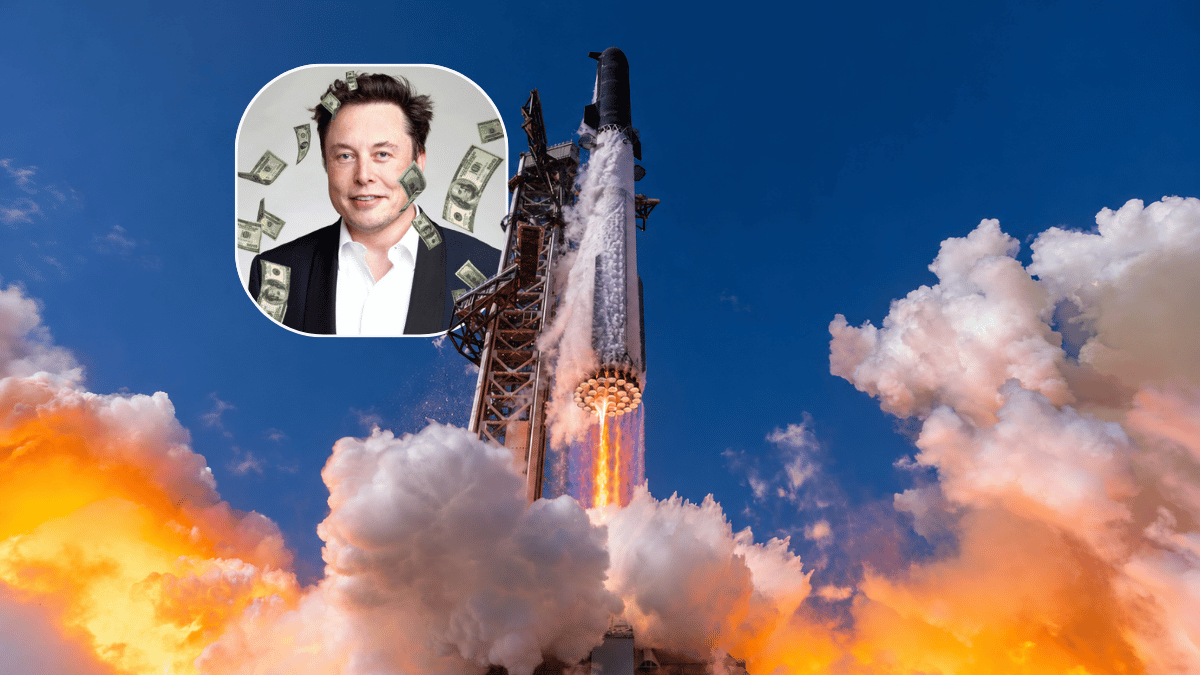
Starlink has more than 11,000 working satellites in low Earth orbit and not one is the version SpaceX actually wants up there. The V3 craft are larger and more capable, designed to launch on Starship and nothing else, and 26 of them sit inside the rocket due to fly on Tuesday 22 September. SpaceX says the payload will dramatically expand connectivity speeds and reliability around the world.
Getting them up there means doing something Starship has not managed yet. It debuted in April 2023 and its first 13 flights were all suborbital, staying aloft about 65 minutes and coming down in the Indian Ocean off Western Australia.
Flight 14 is meant to put the upper stage, which SpaceX calls Ship, into orbit properly: six circuits of the Earth at roughly 275km, then a splashdown in the Pacific west of Chile about ten hours after lift-off. The booster comes down in the Gulf of Mexico seven minutes in, as on several flights before.
The flight that taught them the heat shield
Flight 13 went better than the number suggests. The upper stage flew smoothly through a simulated landing in the Indian Ocean and did not explode when it tipped into the water, which let SpaceX spend months recovering it and towing it back to Texas. Having a real vehicle to examine is why it says it has changed the heat shield again. Three of the Starlink satellites going up carry cameras and will photograph the heat shield after they deploy. The booster has had another round of modifications to address issues seen on the previous flight.
Why the launch division needs this one
Nothing is being caught by the tower. Musk walked back earlier suggestions that SpaceX might try to catch Ship on this flight, saying an explosion would be too big a setback at this point, and Super Heavy will not be caught either. SpaceX has managed three tower catches of the booster and never one with Ship, and its own manifest lists the Flight 14 landing as expended.
The caution is about what is riding on the programme. SpaceX listed in June in the largest initial public offering in history, and the launch cadence it promised investors then depends on Starship reaching orbit, coming back and being reused quickly. Falcon 9 and Falcon Heavy are meant to retire in favour of Starship once it is flying reliably several times a week, which is Musk's own condition for the switch. By going to orbit, SpaceX says, the next phase of making Starship fully and rapidly reusable can begin.
That phase has to pay for itself eventually, and next Tuesday is the first time any of it earns anything. TechCrunch notes a successful Flight 14 would be the first Starship launch to generate revenue for the launch division, even though the money comes from another division of the same company. Musk wants the constellation to reach 100,000 V3 satellites in the end. The 26 going up are the first.