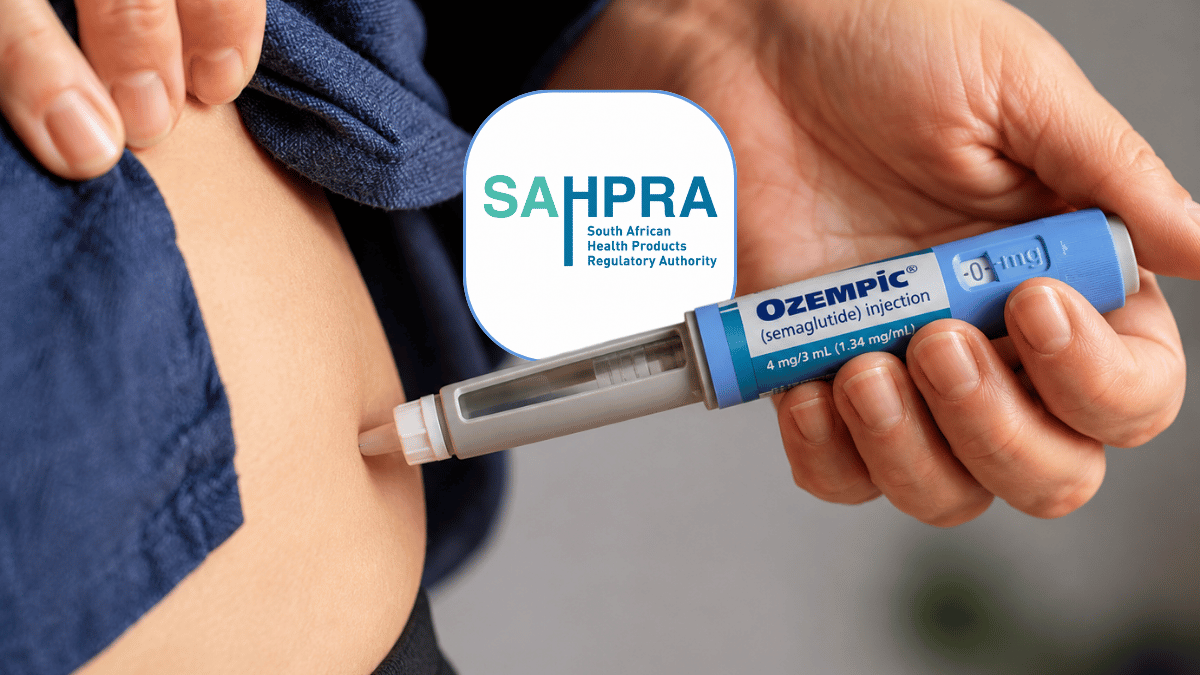
South Africa's medicine regulator is quietly reshaping the market for weight-loss jabs. The South African Health Products Regulatory Authority told Reuters this week that it has twelve applications for generic versions of semaglutide under review, the active ingredient behind Novo Nordisk's blockbuster Ozempic and Wegovy. It would not name the applicants, or say when any of them might be approved.
How the door opened
The opening came when Novo Nordisk's South African patent on semaglutide expired earlier this year, clearing the way for rival drugmakers to move in. India's Sun Pharma got there first, winning approval last week to manufacture and sell a generic version locally. Its copy is a once-weekly injectable pen sold in two strengths, and South Africa is only the second market, after India, where the company has secured the green light. Sun Pharma called the approval proof of its ability to "develop complex generic medicines that meet stringent quality standards across different markets".
What cheaper copies mean
More approvals usually mean lower prices. The regulator's review could open the way to cheaper alternatives and sharpen competition in a fast-growing market that Novo Nordisk and its US rival Eli Lilly have dominated so far. There has been a side-door too: local regulators have been clamping down on the cheaper compounded versions of these drugs that filled the gap while supply was tight and demand ran hot. That crackdown has had teeth: Novo won a High Court order in June blocking one company, iDexis, from making and selling compounded semaglutide locally. Novo, for its part, is not waiting around. It plans to launch a cheaper, authorised copy of Ozempic in South Africa this month through a partnership with the Swiss firm Acino, and has already cut the price of Wegovy to widen access. That branded copy, called Extensior, is due to arrive on 27 July in three lower doses.
For South Africans paying out of pocket, a crowded market is the best news of all; the real question now is how quickly twelve applications on a regulator's desk turn into twelve price tags on a pharmacy shelf.