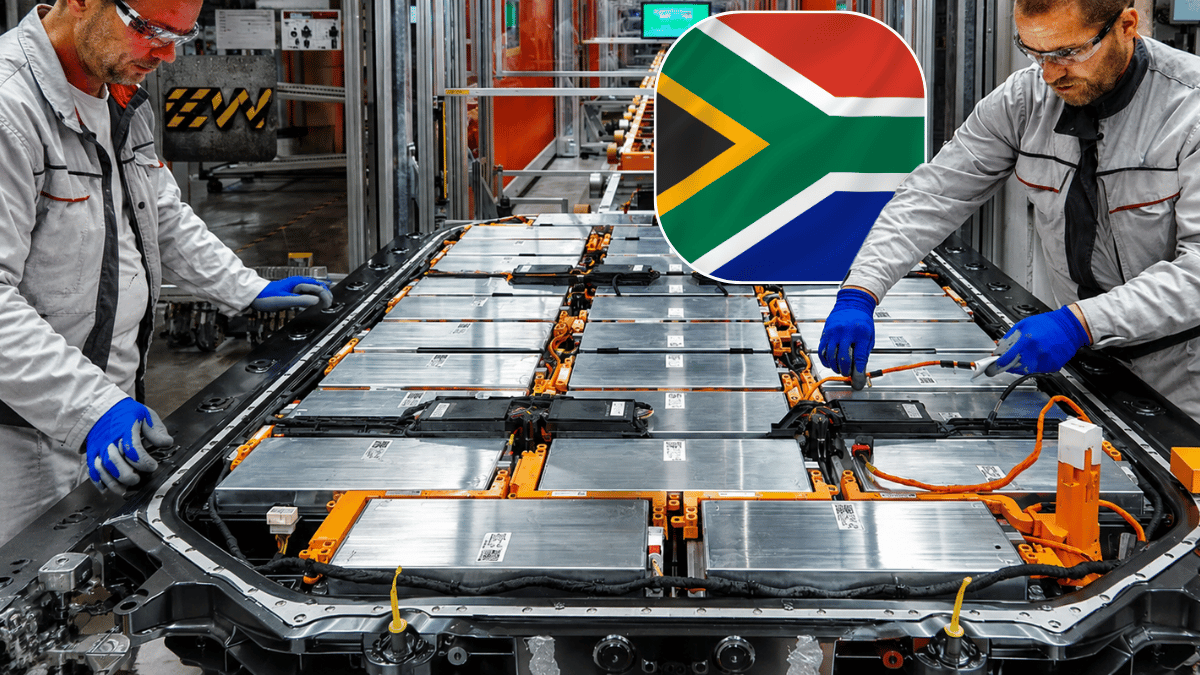
South Africa builds a lot of cars, but almost none of the batteries that power the electric ones. A new five-year, UN-backed programme wants to change that, building the local labs, skills and standards needed to test, certify and recycle electric-vehicle batteries. The bet is that the country's carmaking history and mineral wealth can add up to a battery industry at home, rather than value that quietly flows overseas.
What the plan actually covers
The programme is funded by the Global Environment Facility, an international fund that backs environmental projects, and run by the UN's industrial development agency, UNIDO, alongside the South African National Energy Development Institute, or SANEDI. It is guided by three government departments covering trade, energy and transport. Beyond testing and recycling, it reaches into workforce training, giving old batteries a second life, quality standards, and investment tied to local manufacturing and mineral processing. For now it is still getting started, setting up a project unit at SANEDI and a steering committee to guide the work.
Why officials call it industry, not green politics
The pitch is deliberately about factories, not just emissions. SANEDI acting chief executive Prathaban Moodley said electric mobility is "an entire industrial ecosystem that spans policy, manufacturing, quality infrastructure, testing and certification, skills development, investment, recycling, and innovation". UNIDO's Levy Maduse sharpened the stakes: "The deeper question is whether South Africa will retain and expand its industrial capabilities as automotive technologies change". His question ran on: will the country take part in "the production, testing, maintenance, repurposing and recycling of the technologies that will define the future automotive industry". Speaking for the environmental department's climate-fund office, Shahkira Parker put it plainly, calling decarbonisation "not simply an environmental imperative" but "an economic opportunity". Moodley argued the country already has the industrial base, the engineers and the critical minerals to play a real role, and that the work could unlock "economic growth, investment, and job creation". No grant figure was disclosed.
The programme will get its showcase at an electric-mobility conference in Cape Town later this year; the harder test is whether the labs and skills it promises actually get built.