Imagine the US government owning a piece of the company behind ChatGPT. According to the Financial Times, that is exactly what OpenAI has floated: giving Washington a 5% stake in the business. It is a striking idea, and an unconfirmed one, but it says a lot about the pressure now bearing down on the AI industry.
The Alaska model
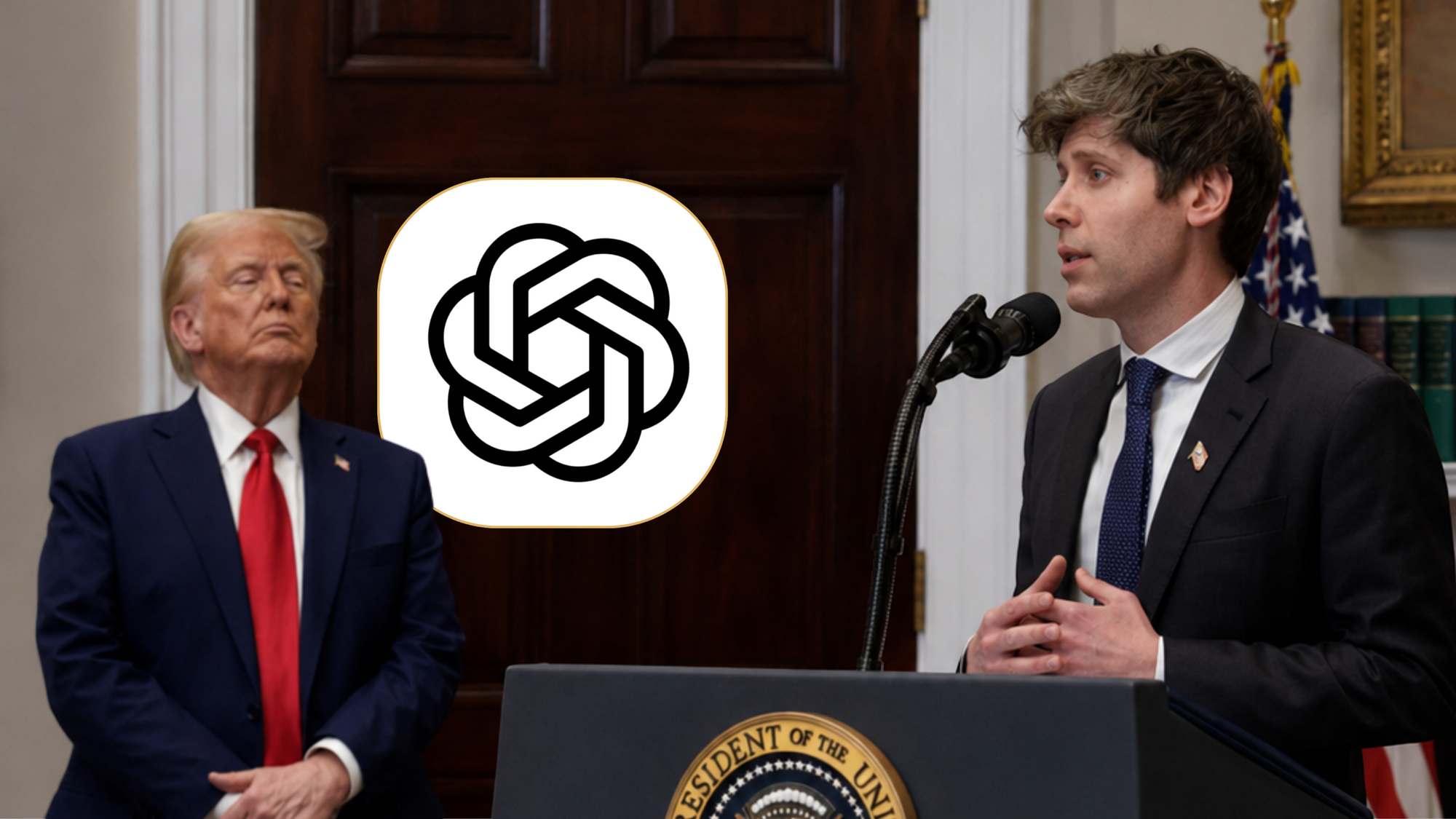
The proposal, as reported, would see leading American AI firms each hand 5% of their equity to a government-linked fund modelled on the Alaska Permanent Fund, the state-owned pool seeded with oil money that pays annual dividends to residents. OpenAI has suggested rivals do the same, though it is unclear whether they would agree. Chief executive Sam Altman is said to have discussed the idea with President Donald Trump, Commerce Secretary Howard Lutnick and Treasury Secretary Scott Bessent, and separately with Democratic Senator Bernie Sanders. The backdrop is a president who has publicly mused about giving ordinary Americans a stake in the AI boom.
A report, not a deal
For now, this is talk, not a transaction. Reuters, which relayed the FT's account, said it could not verify the report, and neither OpenAI nor the White House responded to requests for comment. It also lands at a tense moment between AI companies and the government: OpenAI recently delayed the full public launch of its GPT-5.6 model at Washington's request, and the authorities had briefly ordered rival Anthropic to suspend foreign access to its frontier models. Both OpenAI and Anthropic have quietly filed to go public.
Whether a 5% government stake ever materialises is far from certain. But the fact that it is being discussed at all shows how the question of who profits from artificial intelligence, and who has a claim on it, is moving from the fringes into the centre of American politics.