Apple put its name on a credit card in 2019, and Samsung spent the next seven years watching. On Monday it stopped watching. Samsung Electronics America and Barclays announced the Samsung Galaxy Card, the company's first credit card programme in the United States. Barclays US Consumer Bank issues it, and it runs on the Visa network.
What the card actually pays
The rewards ladder leans hard in one direction. Spend directly with Samsung, in a store or online, and the card gives back 5%. Pay for something through Samsung Wallet and that drops to 3%. Streaming subscriptions like Netflix, Disney+ and Spotify earn 2%. Everything else earns 1%. There is no annual fee. New cardholders who spend $2,000 in their first 90 days collect an extra $200 in rewards. The 5% rate covers Samsung.com, Samsung Experience Stores, the Galaxy Store, Care+ and the Samsung Smart TV Store, which reads less like a rewards table than a map of where Samsung would like your money to go.
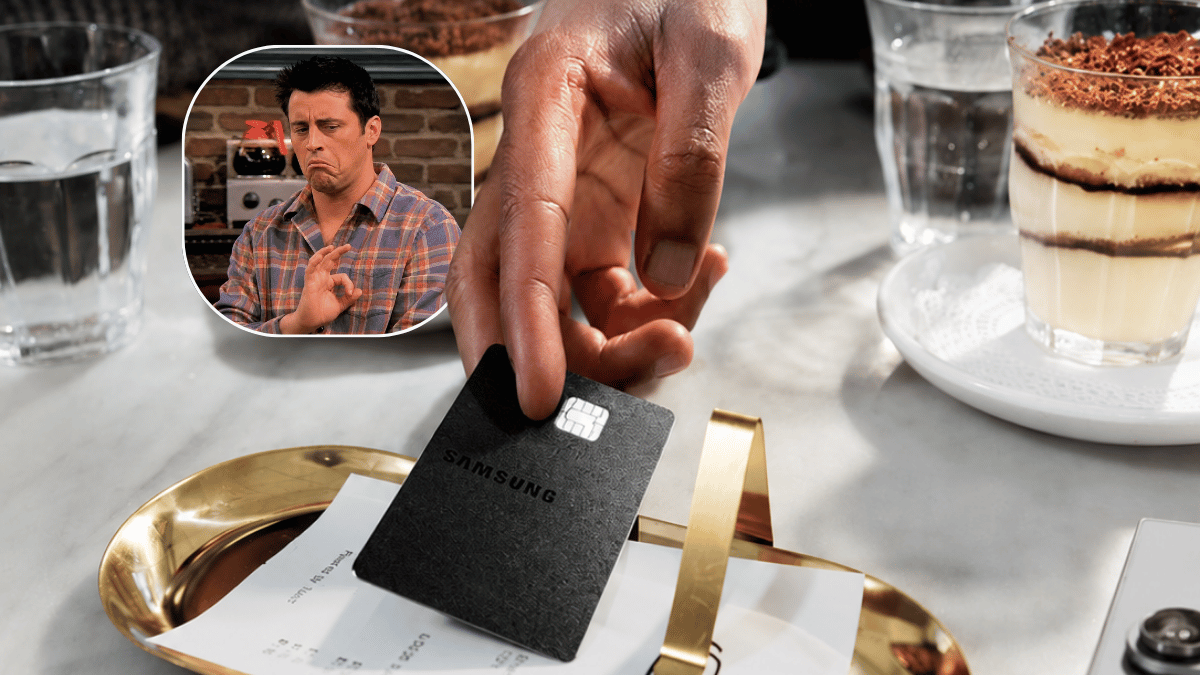
The physical card is metal, black, carrying the Samsung logo. Apple's is titanium. Samsung has also skipped the savings account Apple bundled alongside its own card.
Why it lands this week
Applications open to the general public on 22 July, after a few days of early access for selected customers. That is also the day Samsung streams Galaxy Unpacked from 9am Eastern to show off the Galaxy Z series and the rest of the lineup. And the card pays 5% back when you preorder the next Galaxy device. The sequencing is not subtle.
Approved applicants get the card loaded straight into Samsung Wallet, where it sits with their other cards, IDs, passes and digital keys. That placement is the actual product. Woncheol Chai, who heads Samsung's digital wallet team, called the card part of an ongoing vision for Samsung Wallet to deliver more connected and rewarding everyday experiences. Barclays, which already serves more than 25 million consumers, framed it as an example of its partner-first strategy.
None of this is new territory for Samsung at home. It has run a card business in South Korea for years. What it has never had is a reason for an American to reach for a Samsung app before a bank app.
Whether 5% is enough to shift that habit is the open question, and the Unpacked audience is where the answer starts.