South Africa has never had this problem before. Laboratory sequencing confirmed in August that pilchard herpesvirus was present in sardines sampled after a mass die-off along the West Coast, the first time the virus has been reported in South African sardines. It has not stopped a single can coming off a line.
What the virus does is a breathing problem rather than a food one. In the Australian and New Zealand die-offs of the 1990s it was associated with inflamed, thickened gills that interfered with oxygen uptake and killed the fish. It is not known to infect people or other animals. It is also not obviously the whole story here. The department found it in dead sardines and, at lower levels, in apparently healthy ones, which suggests something else, such as harmful algae, low oxygen or unusual ocean conditions, may have tipped the balance.
Why the tins are fine
The safety of a can has nothing to do with where the fish in it came from. Canners in South Africa have to be approved by the National Regulator for Compulsory Specifications, and part of that approval verifies that the time and temperature used to sterilise a can destroys viruses, PHV among them. It is that process, the regulator and the department said in a joint statement, rather than the absence of the virus in the wild population, that is the basis for confidence in canned sardines. The separate advice not to pick fish up off a beach is about decomposition, not the virus.
Where the fish in the tin comes from
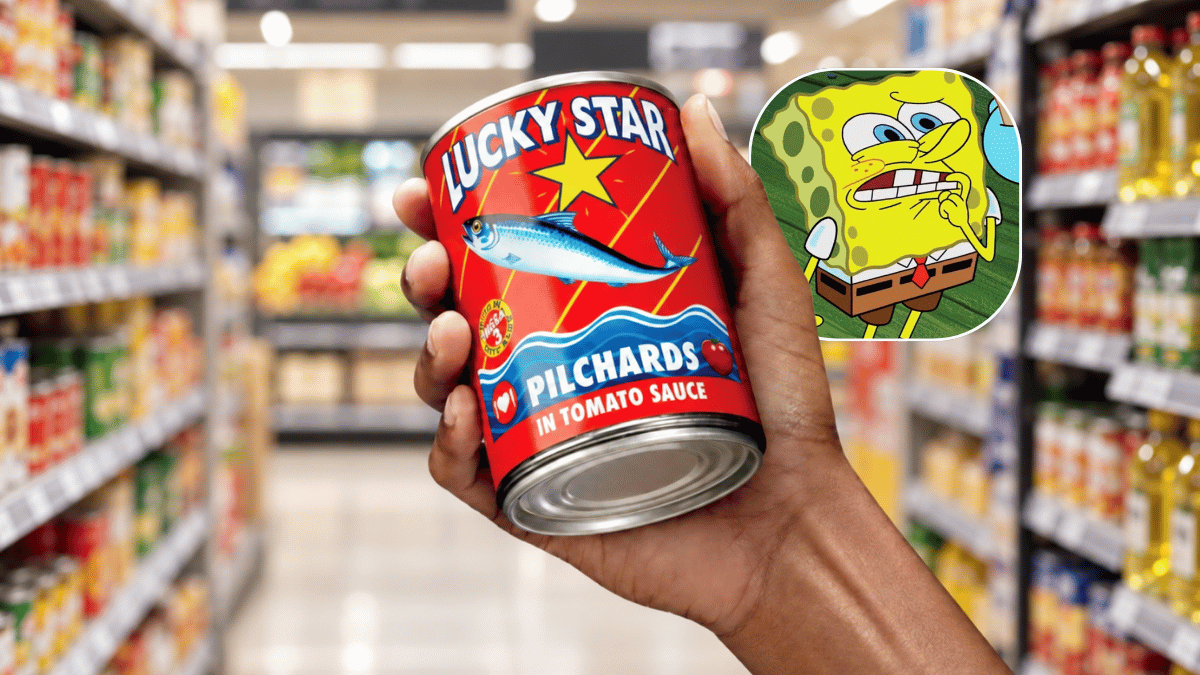
Sourcing is where the listed companies come in. Brimstone Investment Corporation, which holds 16% of Oceana, told Business Day this week that Oceana is insulated from the outbreak because 85% of the fish in a Lucky Star can is imported. That figure comes from chief executive Mustaq Brey in his interview with Business Day. It appears in no Brimstone or Oceana filing, and Brimstone's own interim results, published a week earlier, do not mention the outbreak at all. Oceana's own account of its import reliance is qualitative rather than numerical: it told the market last year it had taken a strategic decision to secure high-quality frozen fish imports to keep Lucky Star supplied.
How many sardines died is still unknown. The department says it has no scientifically defensible estimate, with reports running from Doring Bay round Cape Point and east as far as Cape Infanta, some of them 100km offshore. The routine hydroacoustic survey in October and November is the first proper look at what is left of the stock, and it will inform whether the catch limit, raised in July, has to come down again.