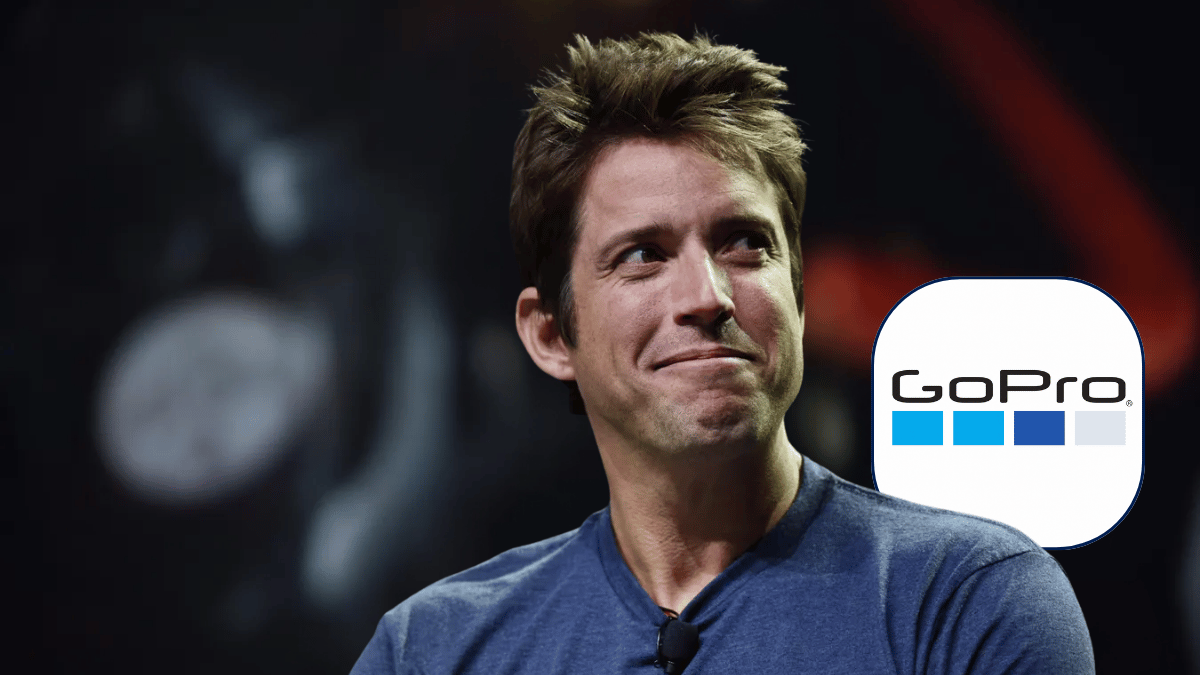
Action cameras have not been a good business for a while. GoPro warned shareholders in June that it might not survive without new funding, and its founder Nick Woodman put $20 million of his own money in the month after that. On Tuesday it agreed to merge with Starman Optical, a privately held American optical-photonics company, in a deal that pays GoPro shareholders $285 million in cash.
The structure matters more than the headline figure. Shareholders get $1.14 a share and keep about 10% of the combined company, GoPro's roughly $92 million of debt is repaid at closing, and GoPro stays listed on Nasdaq. So the money is a payment to shareholders and a balance-sheet clean-up rather than a price tag on the business.
What Starman wants with a camera company
Starman makes optical transceivers, the parts that turn data into light and back again so it can travel down a fibre between machines, and it makes them in the United States. Folding them into GoPro is meant to point the combined company at the market for AI data-centre infrastructure. After that, the plan is to take GoPro's optics and imaging patents, more than 2 500 of them built up over 24 years, into defence, government, robotics and aerospace. Charles Tebele, who runs Starman Holding, said the aim is to bring production of these components back to the United States.
The cameras are not being switched off, whatever the pivot language suggests. The announcement says GoPro will carry on fully supporting its existing consumer products and its subscription and cloud platform while it invests in the wider roadmap.
The company incorporated on 31 August
The awkward detail is who is doing the buying. TechCrunch checked the corporate records and found that Starman Optical was incorporated in Delaware on 31 August, the day before the announcement, while the related Starman New Photonics appears to date from 2025 and is building a manufacturing plant in New Jersey. Both sit under Starman Holding, which also owns the consumer tech brands Incase, Incipio and Griffin.
The transaction is agreed, not done. It needs regulatory approvals and a vote of GoPro's own shareholders, and both boards expect it to close by the end of the year. GoPro says it will give more detail once it does.