The first six months of private management at Durban's biggest container terminal went better than planned. Transnet's statement says the partnership with ICTSI beat its performance targets by 21% between January and June. Then the numbers turned: key measures slipped in July and August, and August was the month the terminal moved onto new operating software.
The terminal, Durban Gateway Terminal and formerly Pier 2, handles almost half of South Africa's container freight. ICTSI, a port operator headquartered in the Philippines, has run it since the start of the year under a 25-year joint venture with Transnet. Getting there took a while, because Maersk went to court over how the bidding was handled and delayed the contract.
What the software switch did
The new system, Navis N4, is the command-and-control software that runs the terminal. Freight and logistics firms say the August move brought disruptions, system downtime, backlogs in registering trucks and cargo that stopped flowing. Ships began skipping Durban, and the Cape Chamber of Commerce says that is now disrupting other South African ports. A report by the Southern African Association of Freight Forwarders and Business Unity South Africa counted some 11,550 containers rerouted in September.
The terminal's own target is for a ship to wait no more than 24 hours at anchor before it berths. The operator's figures and the minister, speaking to Bloomberg, both put the current wait in days. Cargo owners have been told to plan for an extra 18 to 21 days across their supply chains.
A minister on the quayside
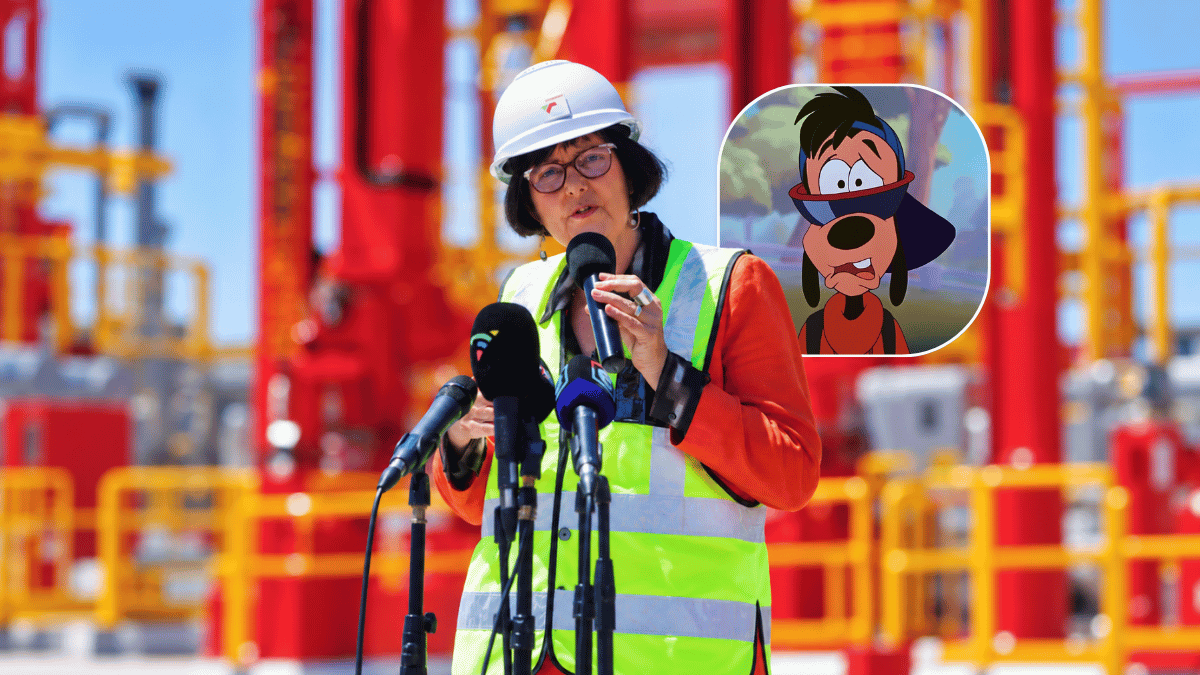
Transport Minister Barbara Creecy toured the terminal on Friday with Transnet's chief operating officer, Solly Letsoalo, and DGT chief executive Javier Lancha. Afterwards she told News24 that ICTSI had communicated badly, and that as a partner of a state-owned company it was publicly accountable too. She told Bloomberg the delays came largely from the new system and from slow repairs to loading equipment.
Lancha sees it differently. He says Navis is fully functional and that structural changes take time to settle, and DGT points to a 54% cut in the time import containers spend in its yard.
The fix agreed on the day leans on trains and machinery. Rail runs between the terminal and the Bayhead back-of-port yard go from two or three a day to about five, and refurbished cranes and straddle carriers are on the way. DGT plans R737 million of spending in the near term, rising to R1.2 billion over two years. And from this week, Transnet, DGT and ICTSI will meet customers regularly to keep them informed.
Creecy wants the backlog cleared before peak trading season starts in November. Her test for success, as she put it on Friday, is customers themselves reporting service they can predict.