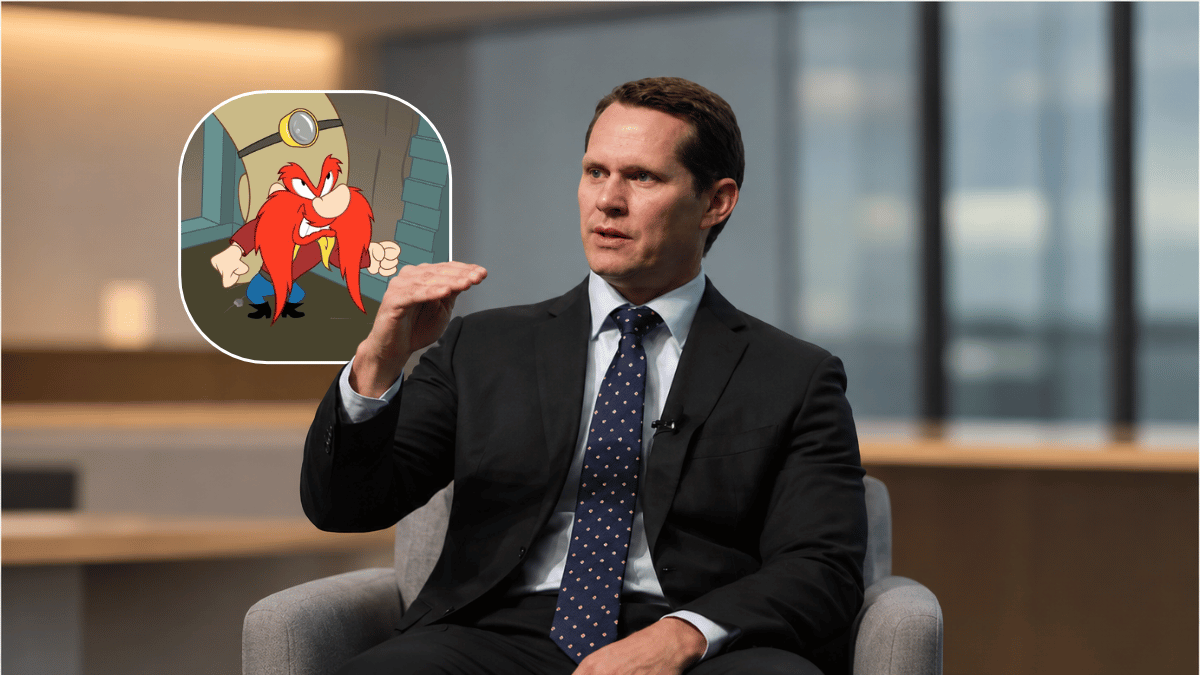
Copper is having the kind of year where the mines stumble and the price climbs anyway. BHP's copper output for the July to September quarter came in 19% below a year earlier, at about 401,000 tonnes. In the same release, chief executive Brandon Craig said copper prices were around 50% higher than a year ago.
Most of the shortfall came from Escondida in Chile, BHP's flagship mine, where output fell by almost a quarter. Some of that was planned, because the ore being dug there now carries less copper and the plant had scheduled maintenance. The rest was not. Severe weather in July and August slowed the trucks, and a fatal accident on 23 September led BHP to suspend all mining there for a time. In South Australia an underground conveyor belt failed at Carrapateena and took seven weeks to replace.
Glencore, which reported a week later, did a little better. Its copper output rose 2% on the previous quarter, but it fell short of what analysts expected, and the company now sees the year landing at the low end of its range.
All Weather's case for a squeeze
On its commodities call on Monday, All Weather Capital's team said copper "is a function of sluggish supply", and that the El Niño weather pattern could keep output sluggish into next year. Its bull case rests on two signs it reads as a tight market: mine supply falling while treatment charges, the fees smelters earn for processing ore, stay high, and stockpiles thinning everywhere except the US. The team said it remains bullish heading into next year. Its own bear case is that mine growth returns in 2027, which it doubts, or that spending on AI infrastructure falls away.
All Weather's Nick van Rensburg was more cautious. In his reading, copper ought to be rolling over, and the one thing that could push it the other way is President Donald Trump raising copper tariffs once the US midterm elections are done. Reuters reported in September that the White House had not yet decided on tariffs for refined copper, partly over worries about prices before the vote.
The surplus the forecasters expect
Outside forecasters are not seeing a squeeze. The International Copper Study Group expects the world to produce more refined copper than it uses in both 2026 and 2027, with the gap widening next year, and it sees mine output growing 3.1% in 2027. Analysts polled by Reuters also expect surpluses in both years. After the industry's big gathering in London, BNP Paribas strategists wrote: "Few participants believed AI was a significant driver of copper demand."
BHP has left its full-year copper guidance unchanged, which means the next three quarters have to produce more than this one did.
Views quoted from All Weather Capital are their own and not financial advice. All Weather Capital is an Authorised Financial Services Provider (FSP 36722). Full disclosures are available at allweathercapital.co.za.