Orders came back to South Africa's factories in September. The Absa purchasing managers' index, compiled for Absa by the Bureau for Economic Research from a monthly survey of the people who buy materials for manufacturers, treats 50 as the line between growing and shrinking. It rose to 50.7, its first reading above that line since May, after three months below it.
Factories matter well beyond their own gates. They make up about 12% of the economy, and a 1.8% fall in their output helped push the whole economy into a 0.2% contraction in the second quarter.
New orders did most of the lifting this time. That part of the survey jumped from 40.3 to 50.8, and export sales improved to their best level since early 2025, so the demand was not all coming from home. Manufacturers also started restocking, with the inventories reading climbing back above 50.
The port that flattered the number
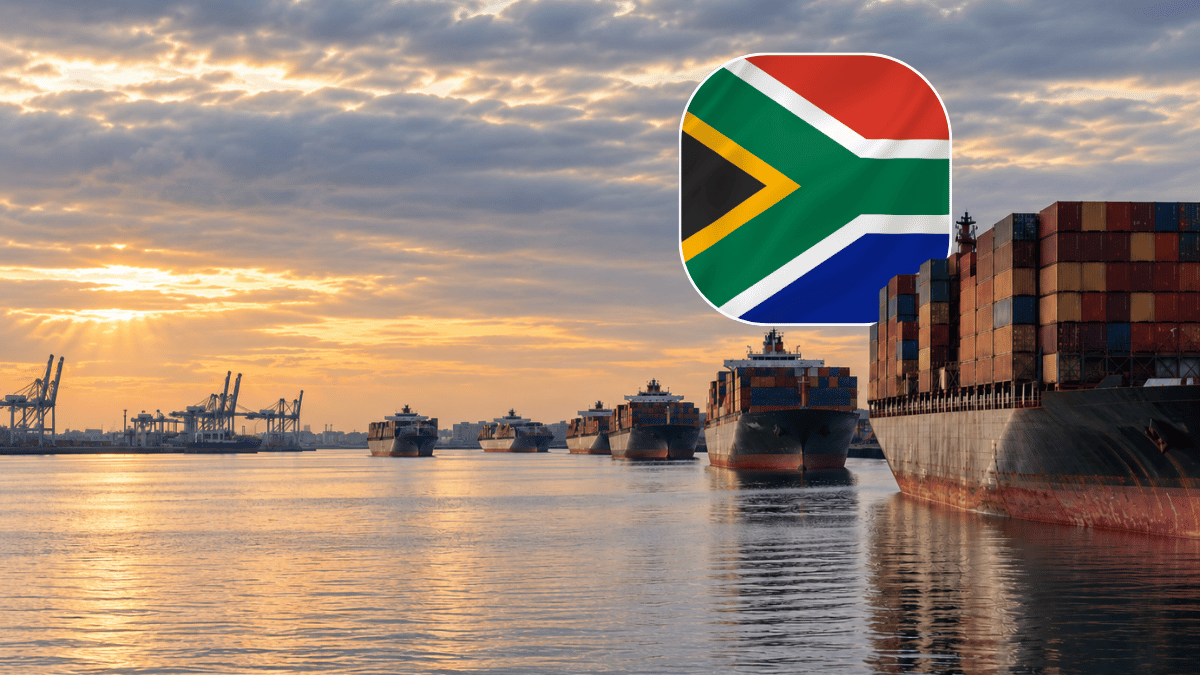
Part of the improvement comes from how the index is built. One of its parts tracks how long suppliers take to deliver, and slower deliveries usually push it up because they tend to mean suppliers cannot keep pace with demand. This time the hold-up was Durban harbour. Respondents kept mentioning longer shipping times, containers stuck waiting to clear and much higher freight bills, and the BER says the port delays artificially boosted that part of the headline number. On this measure, a ship waiting outside Durban looks a lot like a busy factory. The deliveries reading stayed high at 58.4, barely changed from August.
Hiring went the other way. The employment reading fell from 46.2 to 43.1, almost undoing August's improvement, which the BER reads as manufacturers not yet trusting the rebound enough to take on staff. Actual business activity recovered most of August's slump but stayed just short of the line, at 49.3.
Fuel bills climb again
What factories pay for their inputs is rising again too. The price reading climbed to 71.1, with respondents pointing to fuel, transport and logistics, and the sharp rise in fuel prices at the start of September added to it. Diesel, which many factories run on, went up by about R3 a litre.
Purchasing managers are slightly more hopeful about where things will be in six months, with that reading edging up to 55.3, though it is still below its long-term average. The BER wants to see the index stay above 50 for several months before it calls this a durable recovery rather than a temporary bounce.