South Africa is heading into a severe El Niño — but this time the country's fields, dams and grain silos are in unusually good shape to absorb it.
The latest report from the NOAA Climate Prediction Centre confirms that El Niño conditions are present, with above-average sea-surface temperatures across the equatorial Pacific, and the World Meteorological Organisation has warned that the pattern will influence global temperature and rainfall, raising the risk of extreme weather. In southern Africa, El Niño is typically associated with drought — bad news for harvests, livestock, water supplies and, ultimately, food prices.
The event will coincide with South Africa's 2026-27 summer crop season, which starts in mid-October, and the South African Reserve Bank has flagged it as one of the inflation risks it is watching as it weighs monetary policy.
The case against panic
Wandile Sihlobo, chief economist of the Agricultural Business Chamber of South Africa and Presidential Envoy on Agriculture and Land, argues that the alarm needs context. Years of prolonged La Niña rains, he says, have left the country far better prepared than it was going into previous droughts.
Summer rains that normally end in March pushed through to May this year, improving soil moisture and the water table ahead of planting. Despite the unusually long wet season, harvested areas have shown few quality problems — and the Crop Estimates Committee has revised its projections higher, still pointing to a record summer crop.
21.49MtRecord 2025-26 summer grain and oilseed crop, up 5% year on yearSource: Crop Estimates Committee17.25MtLargest maize harvest on record, up 4% year on yearSource: Crop Estimates Committee12MtRoughly what South Africa consumes in maize each year
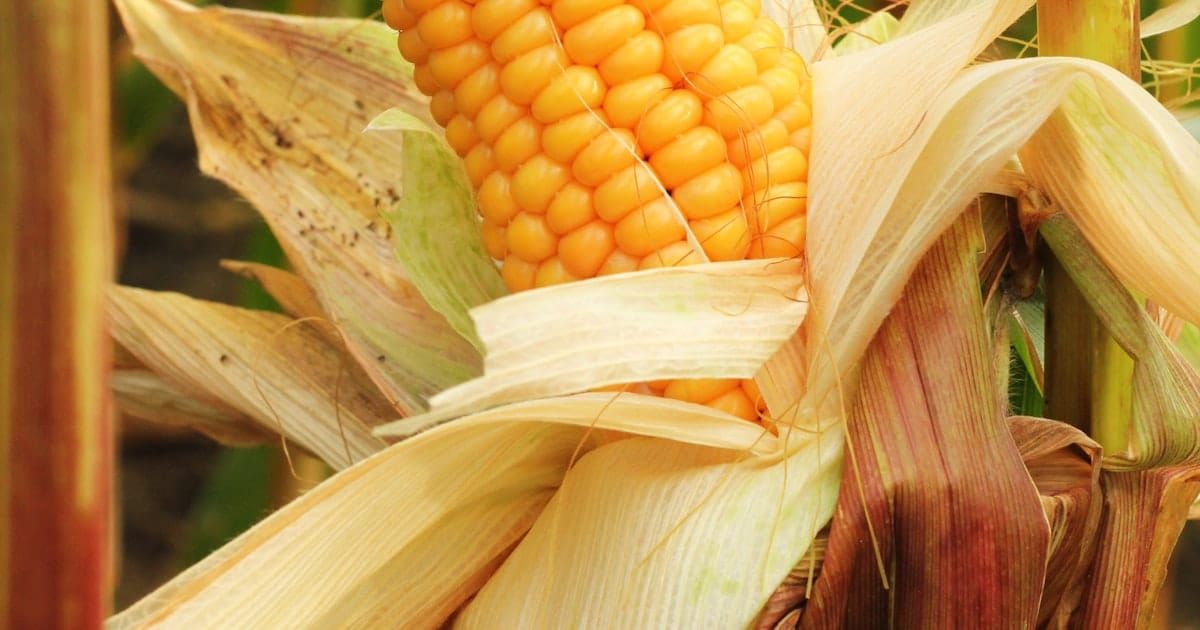
The Crop Estimates Committee puts the 2025-26 summer grain and oilseed crop at a record 21.49 million tonnes, up 5% on the previous season — including the largest maize harvest ever recorded, at 17.25 million tonnes. With the country consuming about 12 million tonnes of maize a year, and large carryover stocks from last season, South Africa should enter the drought year with ample supplies even after exports.
Dams are at healthy levels across the country — fruit and vegetables are fully planted under irrigation, along with roughly 20% of field crops — and the grazing veld is in fair condition heading into next summer.
Sihlobo cautions that the timing of the rain, rather than the total amount, will matter most for crop development once planting starts. “The drought is not ideal and may impose costs on farmers, but we can’t view it the same way as previous droughts,” he said.
What it means
Food prices are the main channel through which an El Niño reaches ordinary South Africans, and food inflation is one of the risks the Reserve Bank weighs when setting interest rates. If Sihlobo's read is right, record grain stocks and moist soils could soften the food-price shock in 2027 — meaningful for household budgets and for the timing of any rate relief. This is analysis rather than certainty, though: a harsh, badly timed drought would still hurt farmers, and the picture will only firm up once planting begins in October.