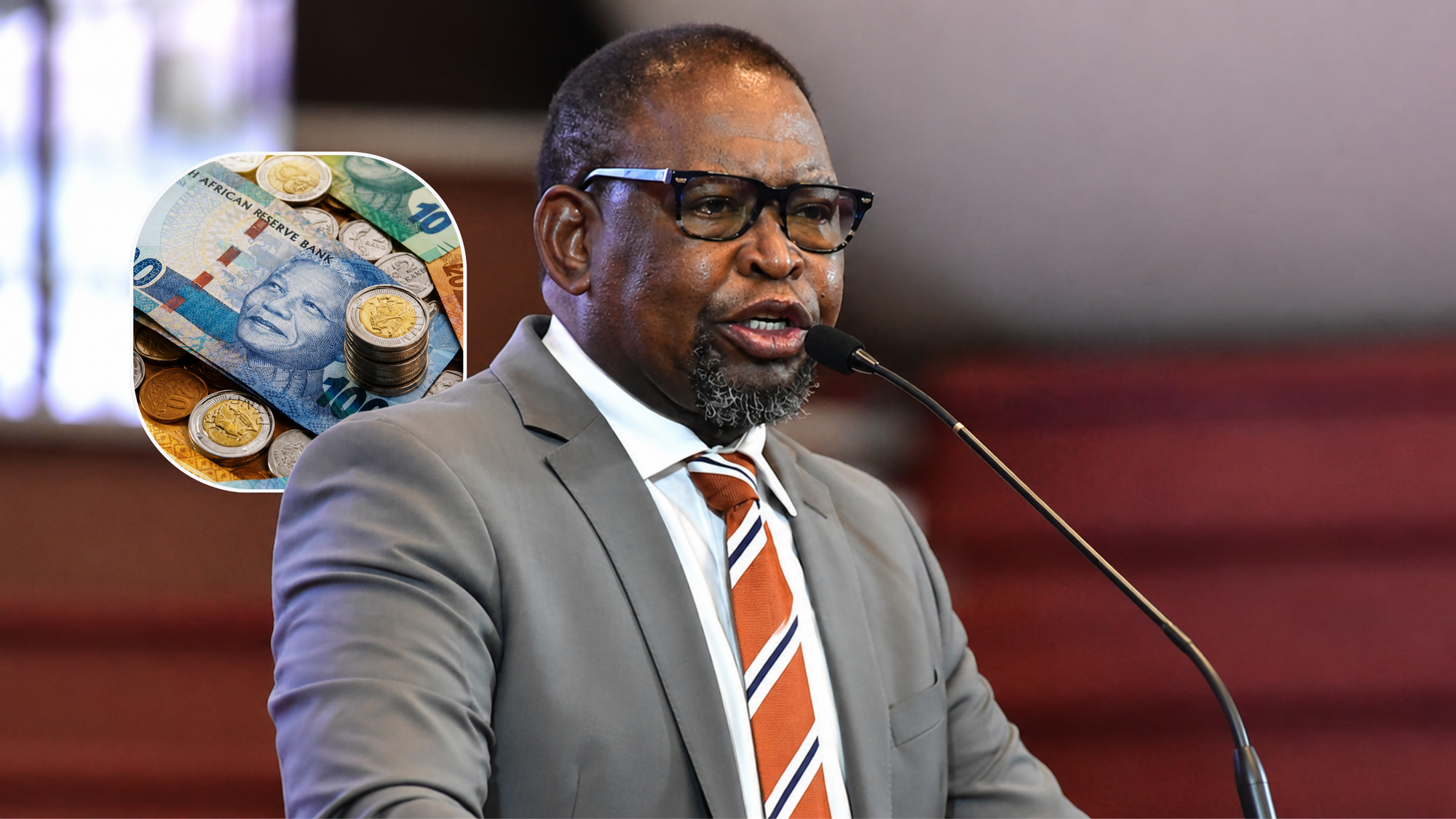
National Treasury has withheld R13.5 billion of July's equitable share from 69 municipalities across all nine provinces — and it is now routing part of that money past the councils entirely, straight to the creditors they have been failing to pay. Finance Minister Enoch Godongwana defended the move at a media briefing on Friday, saying the decision, taken under section 216(2) of the Constitution and the Municipal Finance Management Act, "is not punitive. It is corrective."
The frozen amount is a slice of roughly R100 billion in equitable share transfers due to local government this year. Johannesburg alone has R3.6 billion withheld. Buffalo City, Nelson Mandela Bay and Mangaung are also on the list.
R13.5bnJuly equitable share withheldSource: National Treasury69Municipalities affectedR3.6bnWithheld from Johannesburg
Treasury starts paying the bills itself
Rather than simply sitting on the cash, Treasury says the funds will be released in tranches directly to Eskom, water boards and statutory bodies, to protect electricity, water and pension contributions. Councils that demonstrate compliance — chiefly by signing repayment agreements with their creditors — will see their transfers reinstated.
The numbers behind the freeze explain the impatience. Since 2021/22, municipalities have run up R24.12 billion in fruitless and wasteful expenditure and R145.21 billion in irregular expenditure, R40.14 billion of it in 2024/25 alone. They have disclosed R118.13 billion in unauthorised expenditure. In 2024/25, 116 municipalities — close to half the country's councils — adopted unfunded budgets. By year-end they owed R3.4 billion in interest to Eskom and R1.21 billion to water boards, while 48 had overdue third-party deductions: money docked from staff salaries but never handed over.
The metros feel it first
In Nelson Mandela Bay, the freeze has sharpened a long-running argument about whether the metro can still support investment. Denise van Huyssteen, chief executive of the Nelson Mandela Bay Business Chamber, said the metro's non-performance on expenditure "has become a recurring pattern that continues to result in lack of service delivery and maintenance of critical electricity, water, sanitation and roads infrastructure", adding that "this urban decay and continued regression are visible in many parts of the metro, which does not bode well for investor confidence."
The municipality has acknowledged the withholding but insists the intervention is "administrative and corrective in nature" and does not mean it is insolvent. In Johannesburg, Mayor Dada Morero says the city will transfer R160 million to Rand Water and R1.4 billion to Eskom by mid-July, and that Treasury has confirmed the metro's R97.1 billion 2026/27 budget is funded.
Treasury argues services will not suffer. Ogalaletseng Gaarekwe, its deputy director-general for intergovernmental relations, noted that 75 municipalities were withheld from at this time last year and all the money was released by early August, and that most local government funding comes from own revenue rather than the equitable share.
What it means
This is the moment the municipal debt problem stops being a spreadsheet and starts moving money. By paying Eskom and the water boards directly, Treasury is effectively conceding that some councils cannot be trusted to pass on cash they collect — and it is protecting the utilities that keep the lights and taps on rather than the councils themselves.
For businesses in the affected metros, the practical read is that bulk services are being ring-fenced while the councils' own maintenance budgets stay squeezed. Whether transfers are restored quickly, as they were last year, depends entirely on how fast municipalities sign repayment plans — and that is worth watching ahead of November's local government elections.