
Today’s edition
Fill 'Er Up
Presented by
Good morning, and welcome to your Wednesday Roundup. Petrol stations are finding new ways to make money, and a Johannesburg chicken chain wants a piece of the action. Meanwhile, The Foschini Group has been hit by a cyberattack in Britain, and one of South Africa’s oldest listed companies is finally leaving the JSE. Let’s get into it.
MARKETS
FILLING STATIONS
South Africa’s petrol stations are changing, and selling petrol is becoming a smaller part of the business
Think about the last time you stopped at a petrol station. There’s a good chance you weren’t actually there for petrol. Maybe you needed a coffee, something for lunch, or a few groceries. And you wouldn’t be alone. Research commissioned by Nedbank found that 46% of people visiting South Africa’s forecourt stores aren’t buying fuel at all.
For petrol stations, that’s becoming a pretty important part of the business. Fuel consumption fell 6.3% in 2024, while convenience store sales grew to roughly R40 billion. And with fuel margins tightly regulated, there’s only so much money a station can make from filling your tank. But once you’re on the property, there’s a whole lot more it can sell you.
Where South Africa’s petrol stations are heading:
- More shops. BP already has Pick n Pay Express stores at roughly 188 stations and wants to expand its retail offering.
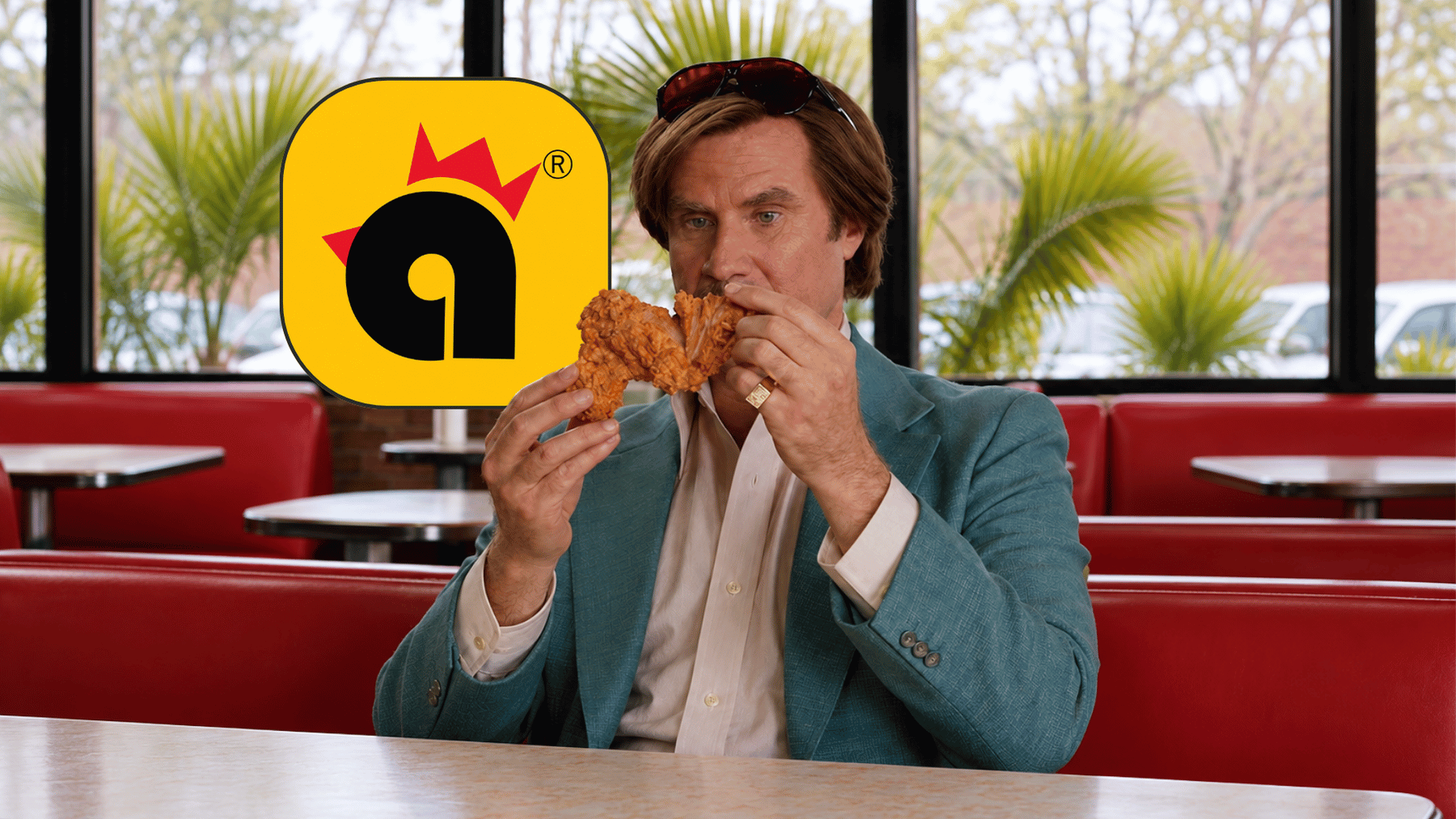
- More food. Johannesburg-based Tasty Gallos plans to open chicken restaurants at BP stations from 2027, provided it can secure agreements with participating dealers.
- More services. The industry is exploring everything from coworking spaces to small gyms at petrol stations.
BP is taking this particularly seriously, with plans to modernise roughly 500 existing stations and develop up to 40 new sites by 2030. The ambition is to turn its forecourts into destinations in their own right, giving customers a reason to visit even when they don’t need petrol.
HEMMED IN
Phase Eight, Hobbs and Whistles have been hit by a cyberattack, and their owner is South African
Phase Eight, Hobbs and Whistles are British fashion labels, and they belong to the Foschini Group, which bought its London business in 2015. On Sunday that business found a cyberattack on its IT systems, and when TFG told the JSE on Tuesday, several of them were still down. The UK shops are open and trading, but orders placed with the three brands since Sunday may be delayed.
What kept the damage in London is how TFG is wired. Its African and Australian businesses run on separate systems and weren't affected, and even in London, Inside Story and White Stuff came through untouched. The exposed part is online, and in London that's a lot of the business: TFG London made 41.6% of its sales online in the 21 weeks to August, more than twice the rate of the group as a whole. And Britain knows how long these can run: Marks & Spencer couldn't take online clothing orders for seven weeks after its attack in April 2025.
TFG hasn't said what caused the incident or when its systems will be back. For now, it says it has no reason to believe payment details are at risk.
BAGEL BITE
Which country has the most pyramids?
A. Egypt
B. Mexico
C. Sudan
DOING THE ROUNDS
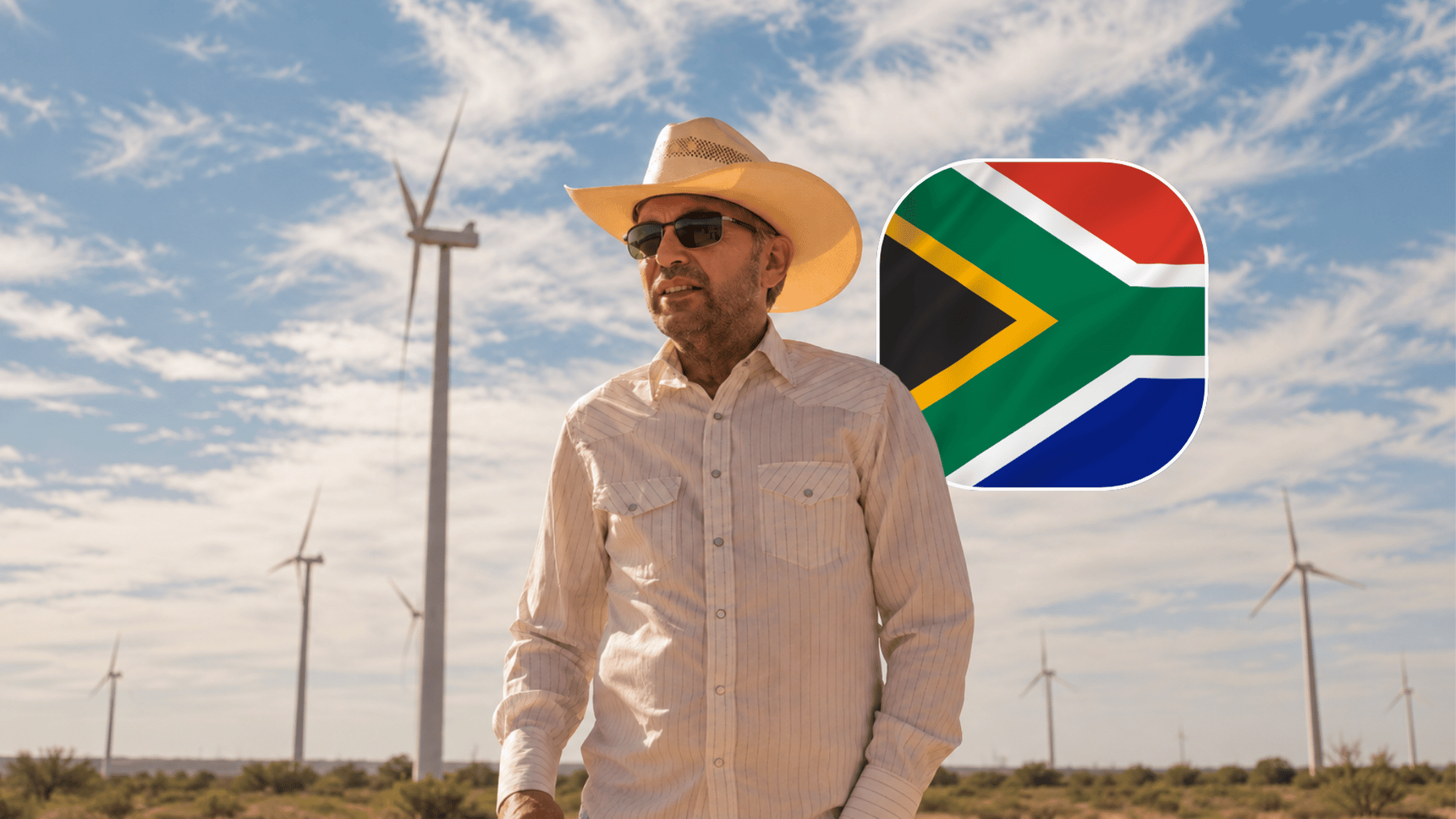
According to a new report from the Global Wind Energy Council, Africa has enormous wind power potential, yet less than 0.02% has been developed. Algeria, Libya and Sudan have some of the continent’s strongest wind resources, but barely any wind farms. The problem isn’t the wind. It’s finding investors, securing electricity buyers and building grids to carry the power. South Africa is showing what’s possible when those pieces come together. In under 30 months, local companies have signed agreements for more than 3.3 gigawatts of wind power. Full story →
After 74 years on the JSE, one of South Africa’s biggest sugar producers is leaving. Tongaat Hulett’s shares haven’t traded since 2022, when its financial troubles pushed it into business rescue. Now, the JSE has confirmed its listing will end on 3 November, with the company’s directors choosing not to oppose the decision. Shareholders will keep their shares, but won’t receive any payment and have been warned not to expect future returns. Meanwhile, the company’s future remains uncertain, with restructuring, a sale or winding-up still possible. Full story →
The global economy is becoming remarkably dependent on artificial intelligence. According to the IMF, enormous spending on AI infrastructure is helping keep the world economy growing at 3.1%, despite the shock of higher oil prices. Just look at Tencent. The Chinese technology giant more than doubled its spending on computing and data centres earlier this year and is now looking to borrow at least $4.5 billion. And it’s worth pointing out, the IMF warns that global growth is increasingly resting on a handful of companies, industries and countries. Full story →
Things aren’t looking particularly romantic for dating app Bumble. When it listed in 2021, the company was worth more than $14 billion. Now, just 5 years later, it’s in advanced talks to be bought for around $1 billion. The potential buyer is Ithaca Holdings, a new investment firm in Silicon Valley. Bumble has been struggling to keep paying users, with numbers falling 16% in the latest quarter. Interestingly, its shares jumped around 50% following news of the potential buyout. But nothing has been signed, and the deal could still fall apart. Full story →
WEATHER
BAGEL GAMES
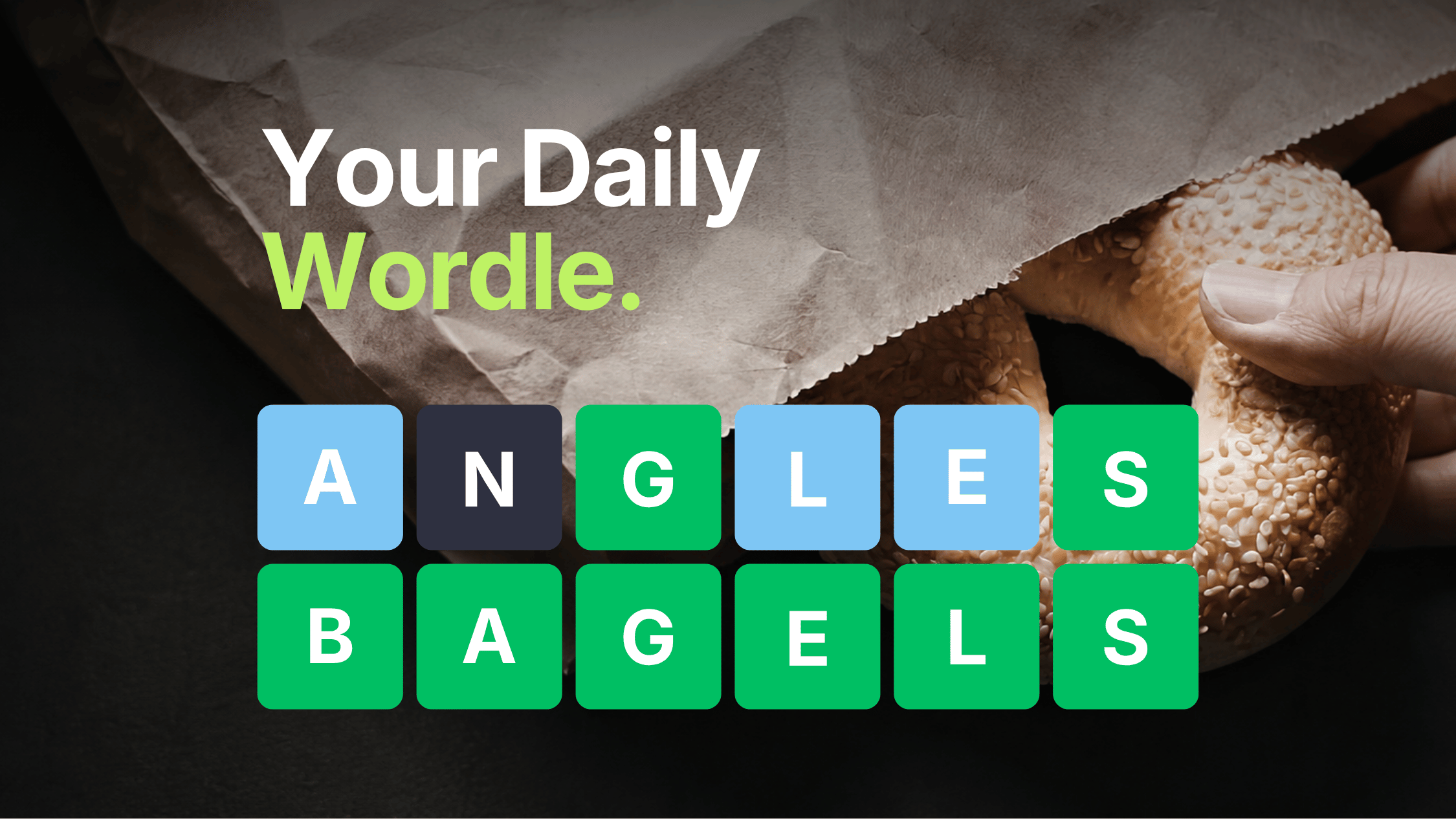
Have you got what it takes to win today’s Wordle? Play here →
THE ANSWER
As for the Bagel Bite, the answer is: C. Sudan
These pyramids were built by the Kingdom of Kush, a powerful civilisation that ruled the region thousands of years ago. They are generally smaller and steeper than the famous Egyptian pyramids but far more numerous. Many cluster around the ancient city of Meroë along the Nile. Despite their number, they remain much less internationally famous than Egypt’s.
That's your Wednesday wrapped. Enjoyed it? Forward it on, a friend can subscribe in a click. Written by the Business Bagel crew.