Today's edition
Return Of Daily Bagel... Kind Of
Good morning! If you’re one of the original Daily Bagel readers, I’m so happy to see you again.
A few years ago, I signed off the final Daily Bagel newsletter by saying, “Who knows what the future holds?” As it turns out, the answer was Business Bagel.
Over the past year, we’ve rebuilt Daily Bagel into something bigger: short, engaging business news for South Africans, without the jargon or paywalls. We’ve also moved into a new studio in Cape Town, launched a few new products, and it finally felt like the right time to bring the newsletter back.
I’m so glad you’re here, but if this isn’t for you anymore, you can unsubscribe below. Otherwise, I think you’re going to enjoy what’s coming next. Now, onto today’s newsletter.
MARKETS
HOUSE ALWAYS WINS
While everyone chased gold, the company that runs the JSE quietly cleaned up
The loudest story on the JSE this year has been gold — miners flying, the rand leaning on bullion. The quieter one is that the exchange itself is having a cracking year. JSE Ltd, the company that runs the bourse, grew half-year net profit 16.9% to R652-million for the six months to June, with earnings per share up 18.8%. The model is almost boringly simple: it takes a small fee every time shares change hands, and this market has been busy. Costs barely moved while income climbed, and these were the first results under new chief executive Valdene Reddy.
What the tollgate took:
- Half-year net profit up 16.9% to R652-million, with earnings per share up 18.8% to 816.2 cents.
- Operating cash earnings up 18.1% to R856-million, while underlying costs rose just 3.5%, so income grew faster than spending.
- The exchange ran at 99.99% uptime and helped companies raise R8.4-billion in fresh capital over the half.
The catch: trading revenue booms when markets run hot, and this one has run unusually hot. The real test is whether the tollgate holds up once the gold rush cools.
PLAYING BOTH SIDES
Tiny trades, big profits: the trick the market watchdog is now chasing
It takes almost nothing to start: one small order in a share almost nobody trades. That, says the Financial Sector Conduct Authority, is the opening move in a scheme it now has three live investigations into. The trick leans on a contract for difference, a side bet whose price simply tracks a share, priced straight off the best quote showing in the market. Nudge that quote with a tiny trade, and a much larger side bet pegged to it pays off. Barely a ripple in one market, a real payday in another.
This isn't just theory: the regulator has already fined both the clients and the traders in two cases, and logged a record R2.8-billion in penalties this year, up from R119.8-million. It hasn't named the providers or shares in the three open probes, so the real question is who turns up when it does.
BAGEL BITE
When was Netflix originally founded?
A. 1995
B. 1997
C. 1999
DOING THE ROUNDS
eNCA wants to cut more than half its newsroom. South Africa's first 24-hour news channel has started a retrenchment process that could axe 171 of its 309 staff, blaming a shift from TV screens to phones. Journalists aren't taking it quietly, pointing to a management trip to the soccer World Cup and the group CEO's R19-million pay packet. Consultations run to the end of November. Full story →
Coal is paying off again for Thungela. The miner expects its half-year core earnings to more than double, to between R4.60 and R4.95 a share, helped by firmer coal prices and a steadier Transnet moving more of it to port. A one-off gain on selling a mining right flatters the headline number, so read it with care. Full interim results land on 17 August. Full story →
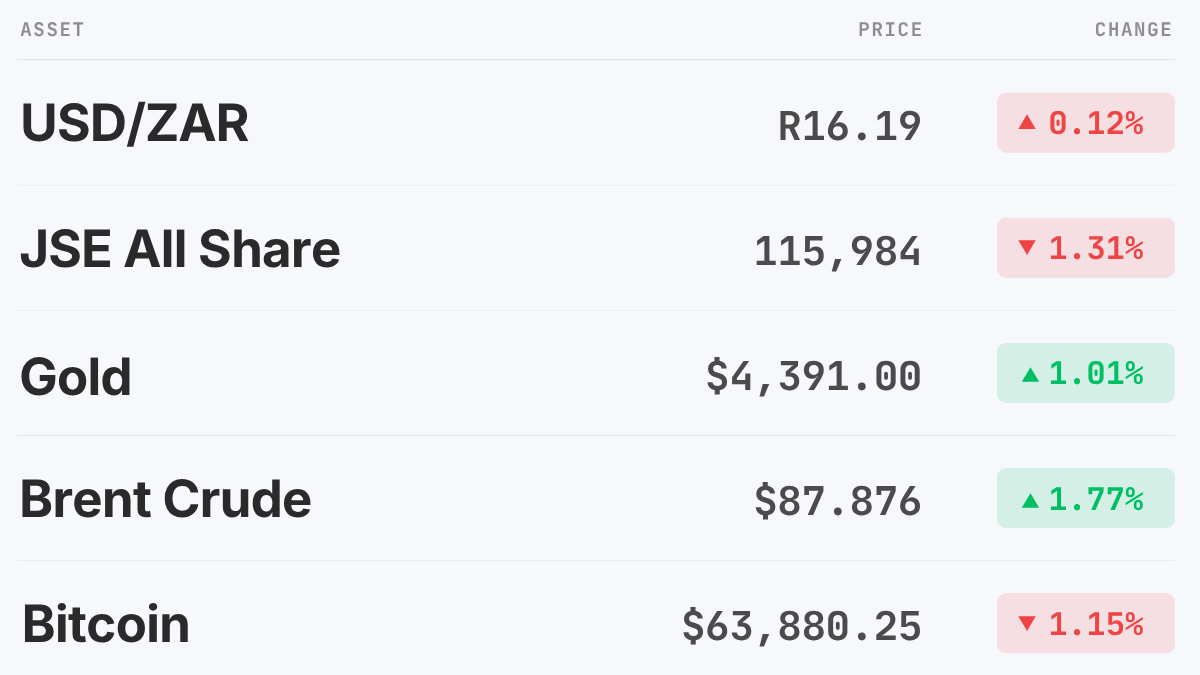
One metal is holding up two South African scoreboards at once. A climbing gold price did the heavy lifting for both the JSE and the rand last week, even as local factory output fell 4.3%. Bullion hit a seven-week high, sending AngloGold up 9.7% and the all-share to 117,518. The catch: a market and a currency both riding on gold are exposed the day it turns. Full story →
SARS just opened its new tax-certainty deal to far more companies. After accountants called the original bar unrealistic, the taxman cut the entry threshold for its new upfront pricing agreements from R50-billion in revenue to R10-billion. The deals let big multinationals lock in how cross-border transactions get taxed and skip years of disputes. It starts as a 2026 pilot. Full story →
WEATHER
BAGEL GAMES
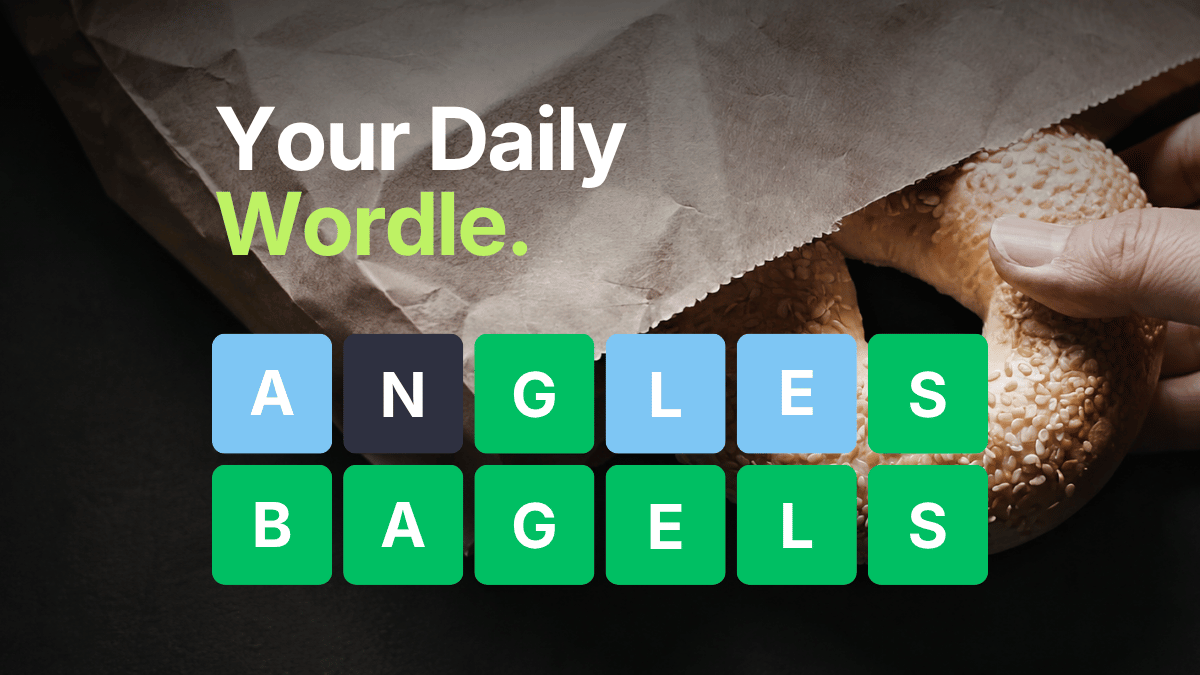
Have you got what it takes to win today’s Wordle? Play here →
THE ANSWER
As for the Bagel Bite, the answer is: B. 1997
Netflix was founded on August 29, 1997, by Reed Hastings and Marc Randolph in California. The company began as a DVD rental business, with customers ordering movies online and receiving them through the mail. Its website, NetFlix.com, officially launched in April 1998, while Beetlejuice became the first DVD Netflix ever shipped. In 2007, Netflix introduced streaming, allowing subscribers to watch movies and television shows instantly over the internet instead of waiting for DVDs to arrive. That shift completely transformed the company and helped Netflix grow into one of the world’s biggest entertainment and streaming platforms.
That's your Wednesday wrap. Enjoyed it? Forward it on — a friend can subscribe in a click. Written by the Business Bagel crew.