For more than a decade, any business moving money across Southern Africa through the region's shared payment system had one option for settling the deal: the South African rand. That has finally changed. The central banks of South Africa and Angola announced on Monday that the Angolan kwanza has joined the rand as a settlement currency in the SADC real-time gross settlement system, the shared platform banks across the region use to move money across borders. It is the first new currency added since the system launched in 2013.
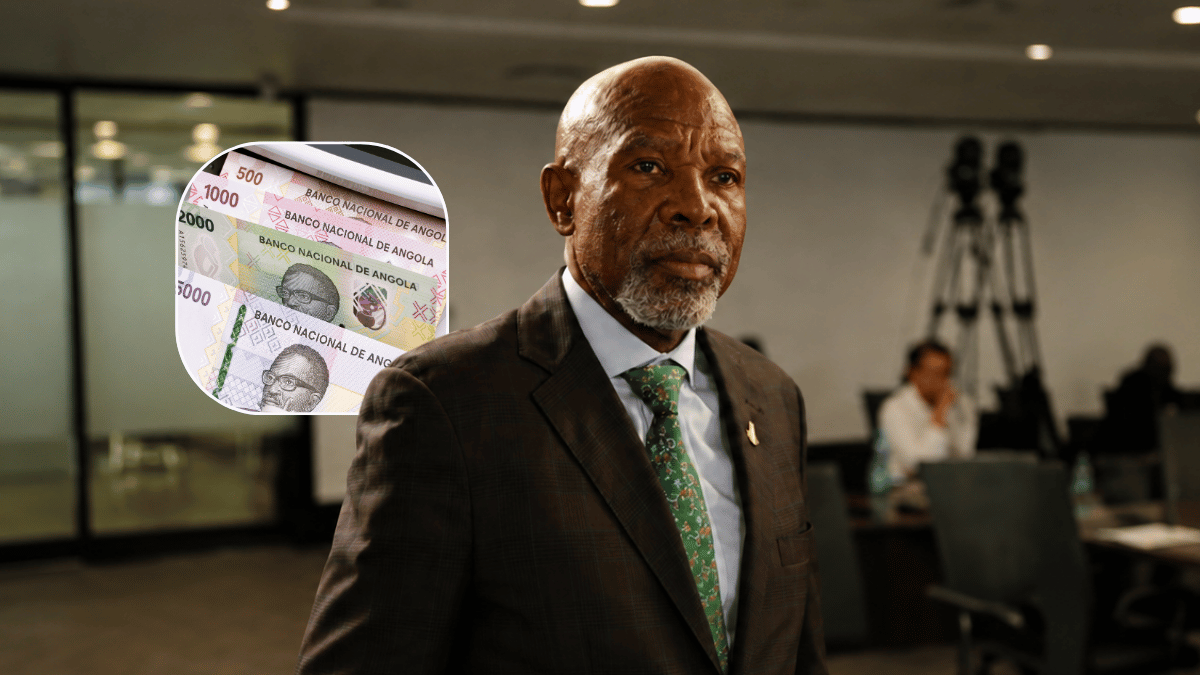
A cheaper way to trade The point of the change is to cut out a costly middle step. Until now, a company trading with Angola often had to convert through a third currency to settle a payment, and each conversion adds fees and delays. By letting businesses settle directly in kwanza, the banks say participants can reduce those foreign-exchange conversions, lowering costs and speeding up payments, in line with global goals for cheaper cross-border transfers. The agreement was signed by Reserve Bank governor Lesetja Kganyago, who chairs the SADC committee of central bank governors, and his Angolan counterpart Manuel Tiago Dias. Crucially, no one was forced to take part: Kganyago said more than 80 banks have joined the system voluntarily because they could see the value. Kganyago said settling in local currencies also fixes a liquidity headache: if the system runs short of kwanza, Angola's central bank supplies it, and if it runs short of rand, the Reserve Bank steps in, whereas leaning on some outside currency would leave no obvious backstop.
Why it matters for the region The sums flowing through the platform are large. It processes about R250.7 billion in transactions every month, and in 2025 trade between Angola and the rest of SADC came to roughly $3.77 billion, with South Africa alone accounting for nearly $2.99 billion of that. The system now covers 15 of SADC's 16 member states. Kganyago framed the kwanza's arrival as bigger than an administrative tweak, calling it "a practical step towards a Southern Africa that is more integrated, more connected and better able to support trade, investment, financial stability and shared prosperity".
Botswana's pula is already flagged as the next currency in line, and the bet behind the whole project is simple: if settling inside the system is the cheapest option, the region will keep choosing it, no mandate required.