Cape Town has spent a decade turning into South Africa's magnet for foreign property money, and the numbers behind it are finally out. Property data house Lightstone reckons overseas buyers spent about R153bn on homes in the city between 2016 and 2025, comfortably ahead of the R107bn they put into Johannesburg. Even so, Cape Town stayed the country's single biggest destination for foreign capital over the ten years.
Small slice, top shelf
Foreigners are barely a rounding error in the overall market, at just 6% of South Africa's residential housing and roughly the same slice of the 2.39 million or so home sales done over the decade. But they don't spread themselves evenly. They cluster where the prices are steepest: 15% of sales between R4m and R10m, 26% of sales between R10m and R20m, and 39% of everything sold above R20m. As Lightstone's Hayley Ivins-Downes, who heads its real estate services, put it, “two out of every five homes valued at more than R20 million were bought by a foreign buyer.” The pattern is hard to miss: the higher the price tag, the more likely the buyer is holding a foreign passport.
Where the money lands
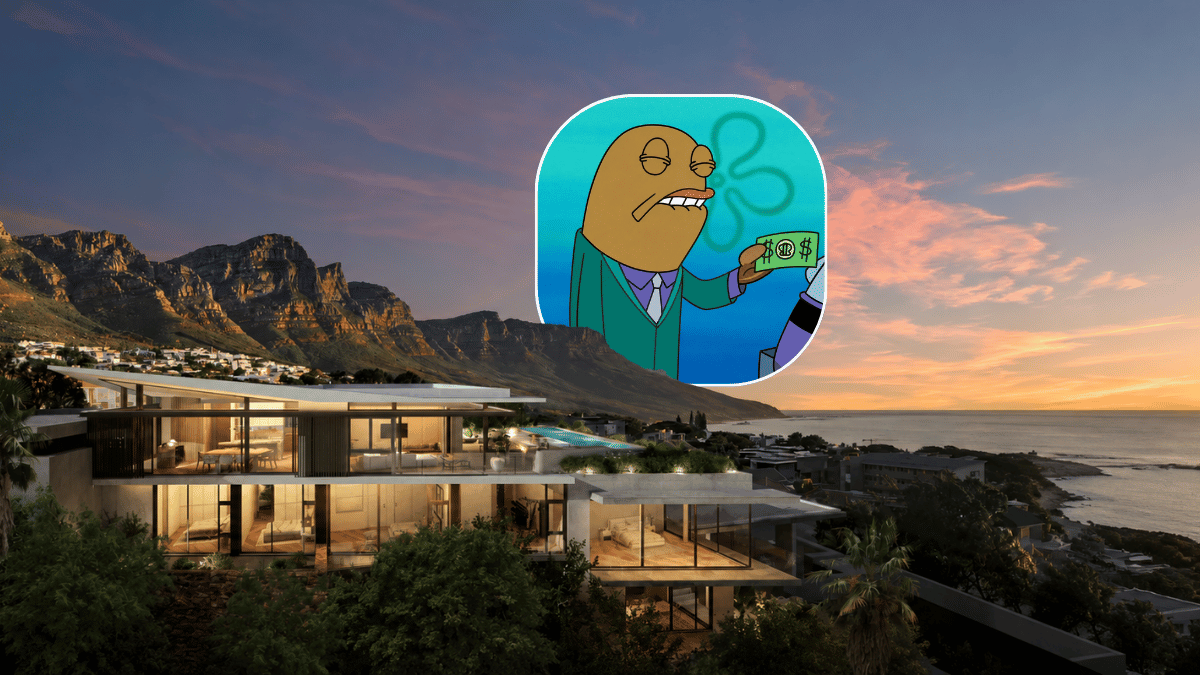
The clearest picture is in the Atlantic Seaboard's quieter enclaves. In Llandudno, 67 of the 102 homes sold since 2015 went to foreign buyers, at an average of R29.2m apiece, which works out to roughly two of every three properties in the village. Nearby Bakoven and Camps Bay saw just under half of all sales involve international buyers. Zoom out to the province and the Western Cape leads the country for foreign interest at 7.8%, followed by Gauteng and then Limpopo.
The takeaway isn't that foreigners are buying up the whole country, because they clearly aren't. It's that a small pool of overseas money is quietly setting the pace at the very top of Cape Town's market, taking 39% of every sale above R20m and two-thirds of a village like Llandudno. As long as the rand keeps that top end looking like a bargain in dollars or pounds, that pressure isn't likely to ease.