Investors who want a piece of the humanoid-robot boom have mostly been locked out, with the action confined to private venture funds. That's about to change. Agility Robotics, a maker of two-legged warehouse robots, is going public through a merger with a listed shell company run by financier Michael Klein, in a deal that values it at about $2.5 billion and is set to raise more than $620 million — the biggest fundraise the young industry has seen. It would make Agility the first pure humanoid-robot company that ordinary people can actually buy shares in.
A grounded pitch in a hyped market
That matters because the sector is awash with money and sky-high valuations. Rivals have been raising eye-watering sums, with Figure AI reportedly valued at $39 billion and Apptronik at more than $5.5 billion. Against that backdrop, Agility's chief executive Peggy Johnson — a former Microsoft dealmaker who later ran Magic Leap — comes across as unusually measured. She frames the listing as "an acceleration story and a timing story," and insists the company's "biggest competitor right now is just us." The business is further along than most: Johnson points to more than $300 million in booked, multi-year revenue across roughly 1,000 robots, rented to customers on a monthly subscription rather than sold outright. Those customers include GXO Logistics, Amazon and Toyota's Canadian manufacturing arm.
Don't expect one in your kitchen
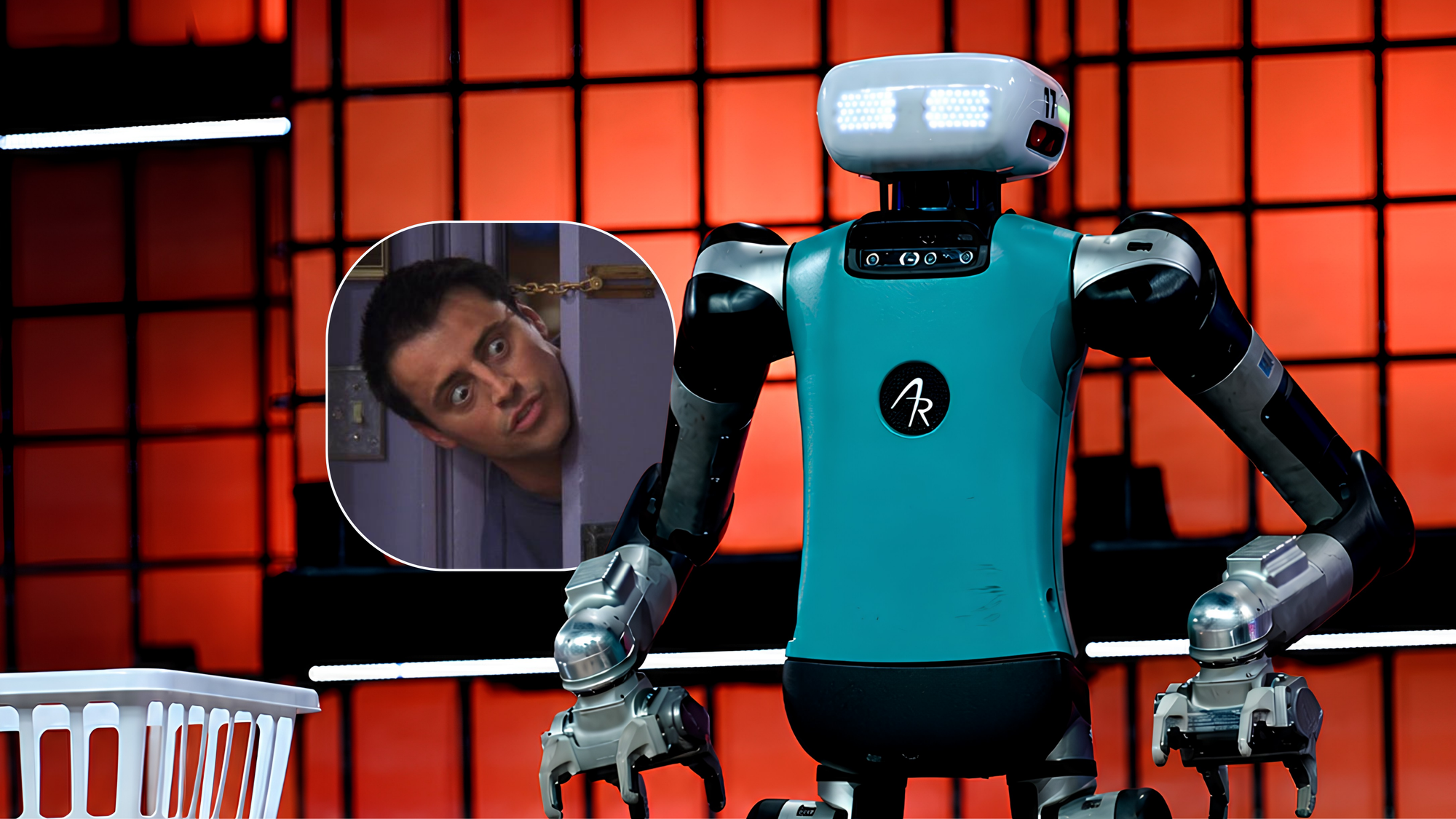
Agility's robot, Digit, is deliberately unflashy: about 5'9" and 160 pounds, built to move heavy boxes around warehouses rather than dazzle. Under the hood, Agility says its robots are "LLM-agnostic", drawing on AI models including Claude and Gemini to turn plain-language instructions into action. And Johnson is candid about the limits — a robot doing your dishes at home is, she reckons, still "ten-plus years" away, because homes are chaotic in ways warehouses aren't.
For now, the focus is squarely on the warehouse floor, where more than a million US jobs sit unfilled. The deal still needs shareholder and regulatory approval and is expected to close later this year — at which point retail investors finally get to bet on robots.