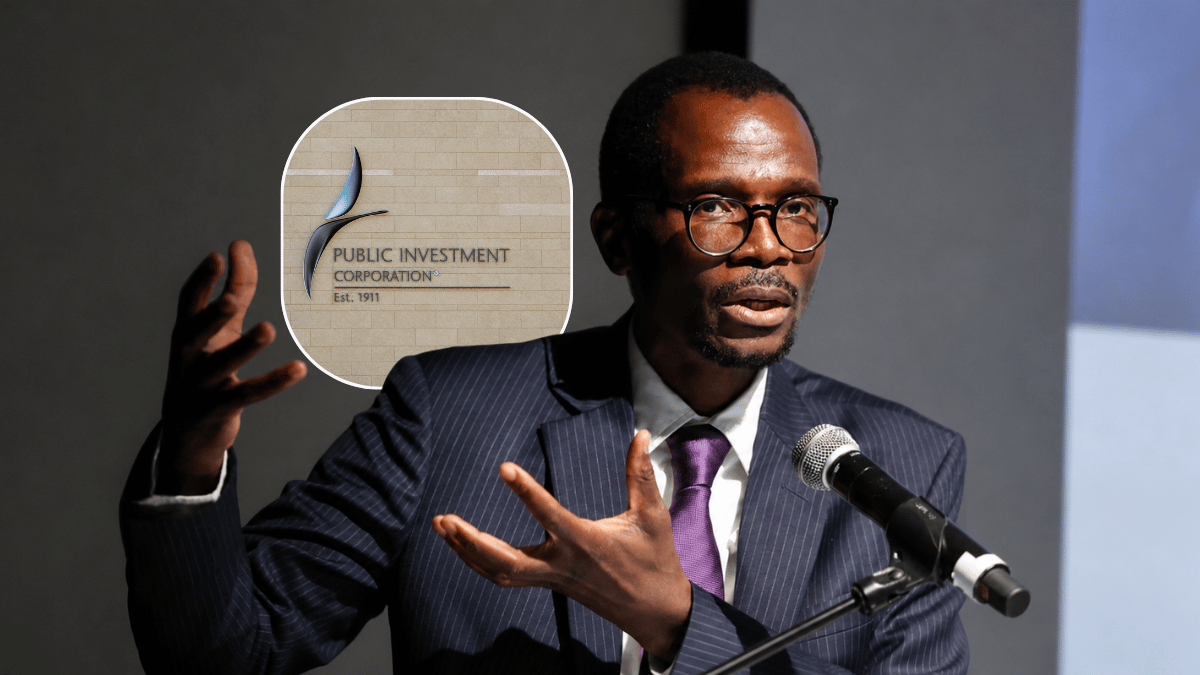
Every big investor has a deal it would rather not discuss at the staff meeting. The Public Investment Corporation, which manages around R3.5 trillion, most of it retirement money belonging to government employees, has one with a name: Enable Capital.
The pitch was tidy. Enable is a private financial services provider offering short-term bridge financing, supply chain funding and working capital to subcontractors, focused on the telecommunications and physical infrastructure sectors. That handed the PIC exposure to the rapid buildout of fibre optic infrastructure while meeting its mandate to drive transformation. The corporation approved and executed R100 million of a R200 million commitment. Two months after the funds were disbursed, Enable Capital was placed under business rescue.
What the money bought
Red flags followed. The PIC stopped the drawdown of the second portion, laid criminal charges against the company and some of its directors, and reported the matter to law enforcement. Parliament's public accounts committee criticised the corporation harshly for handing over the money so easily. The board chairman, David Masondo, who is also Deputy Finance Minister, has said the new board is reviewing past bad transactions on principle, the R100 million lost at Enable among them. He has also said the deal triggered a review of the rule letting the PIC approve transactions of up to R2 billion without consulting the Government Employees Pension Fund, its major stakeholder.
What it was, exactly, is contested. DA federal finance chairperson Dr Mark Burke told BizNews it was "not even a deal", calling it "a full-on scam for R100 million of pensioners' money". Masondo's account runs the other way: "It was nothing further from fraudulent activity because many other dominant asset managers in the country found themselves in the same position." He credits the PIC with stopping the second tranche precisely because it picked up there was something untoward.
The rest of the ledger
Enable is one line in a longer ledger. Masondo told staff at a town hall on 16 July that the PIC has recovered R10 billion of its R19 billion debt book and is pursuing legal processes to recover the remaining R9.3 billion. The corporation holds investments in 150 unlisted companies, 39 of them legacy positions now in turnaround or distress management. Those account for less than 0.1% of the PIC's total investments. Its own 2025 presentation to the public accounts committee listed 17 businesses carrying a market value of zero.
Cosatu wants the whole list published, arguing the PIC Act already requires that information on the website and in the annual reports. The newest annual report on the site still covers 2024/25. Whether the next one names names is the thing worth watching.