Nobody in Washington approves a new car before it goes on sale. American manufacturers certify their own vehicles as meeting the federal safety standards, and the regulator investigates afterwards if it thinks a certification does not hold up. That arrangement has carried a century of cars with people driving them. On Thursday Tesla used it for a car that has no driver's controls at all.
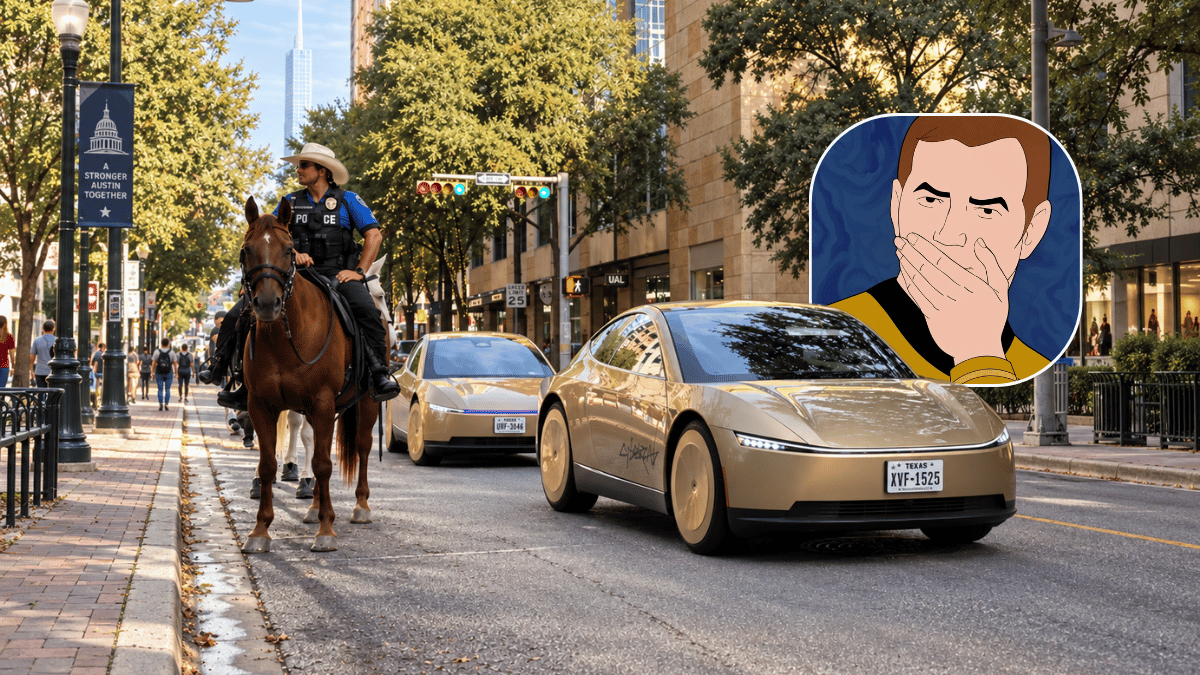
The Cybercab is a two-seater with no steering wheel, no accelerator or brake pedal and no mirrors, and Tesla put a small number of them into paid service on the streets of Austin, Texas, where state records now show 45 of them registered. Tesla told the agency the cars comply with every applicable Federal Motor Vehicle Safety Standard, and that it plans to add more vehicles and more cities. The National Highway Traffic Safety Administration opened Audit Query AQ26002 the same day and announced it the following morning. The query covers an estimated population of 1,000 vehicles, which is the scope of the enquiry rather than a count of cars on the road.
The rules were written around a person
Most of the standards in question assume a human being is present. They assume a steering wheel to hold, a pedal to press, a mirror to look in, and controls within reach of a seat. Tesla's certification therefore rested in part on deciding that some of those rules simply do not apply to a car built without any of it, and that reasoning is what the agency has asked to see. The awkward part is that the regulator broadly agrees with the direction. It has eight rulemakings under way that would relax exactly these requirements, the brake pedal one included, and it says the existing standards hold until that work is finished.
What happened to the last company that tried this
There is a template, and it took years to run. Zoox, Amazon's robotaxi company, self-certified a steering-wheel-free vehicle, drew the same kind of audit query, and eventually took the other route, applying for a temporary exemption from eight of the federal standards. Final approval came only in July this year, with a cap of 2,500 vehicles a year, and Zoox opened its paid service in Las Vegas weeks later. The investigation slowed its path to commercialisation in the meantime.
Tesla has said nothing publicly about the query, and its shareholders did not wait for it to. The share price fell almost 6% on the day the investigation became public, handing back everything it had gained on the launch of the service a day earlier.