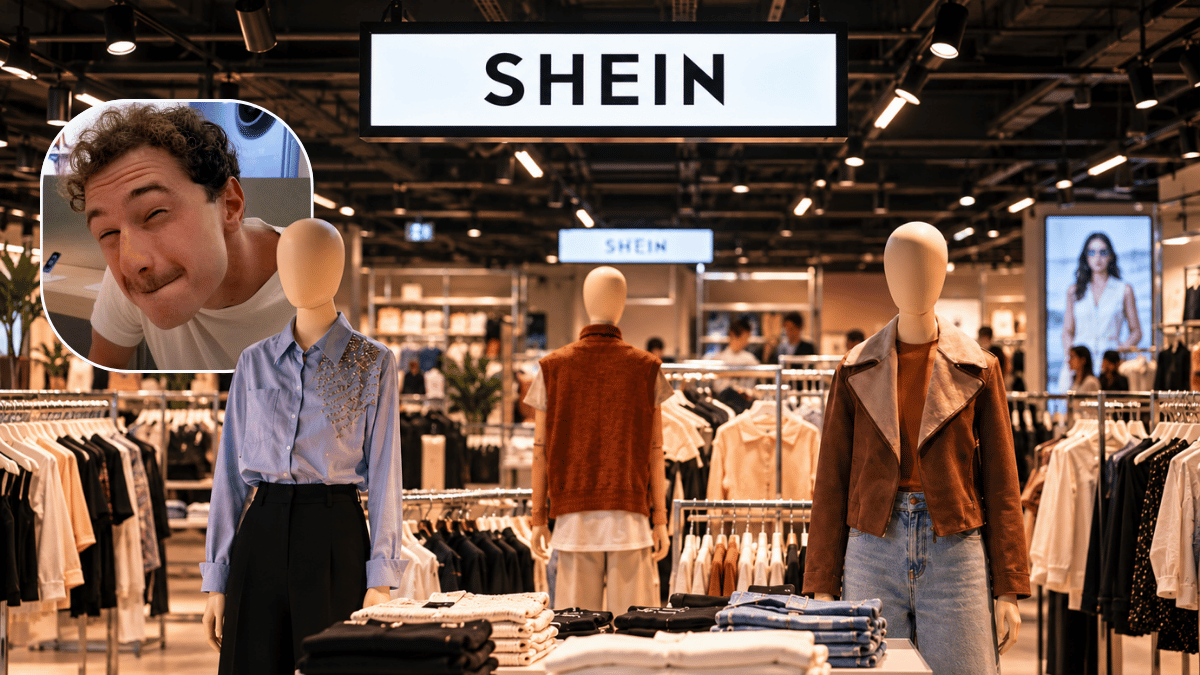
Shein has been a listed company for exactly a month, and its first report card did not go down well. The fast-fashion group, which joined the Hong Kong stock market on 1 September, published its first results as a public company on Monday. By lunchtime on Tuesday its shares were down about 11%, AFP reported.
Selling more, earning barely more
Shein sells fast fashion through its app, and a growing share of what passes through that app now belongs to other sellers on its marketplace. When one of those sellers makes a sale, Shein counts only its fee as revenue, not the price of the item. That is part of why orders and revenue told different stories in the six months to June: orders rose 6.4%, while revenue crept up just 1%, to US$20.1 billion.
Profit took the bigger knock. AFP reported that operating profit halved, and Bloomberg put the drop at 52.9%. Shein said it chose to absorb higher freight costs, pushed up by oil prices during the conflict in the Middle East, rather than charge its shoppers more.
Its two big Western markets both went backwards in the second quarter. Revenue from Europe fell 13.9%, which Shein put down to raising prices and cutting online advertising ahead of losing a customs duty exemption, and US revenue fell 6% under tariffs.
Investors have sold since day one. Bloomberg reported the shares fell as much as 14% at one point, their biggest drop since the listing, and AFP counts a fall of more than 35% since trading began. Shein listed at a valuation of around $26 billion, well short of the nearly $100 billion put on it in private fundraising in 2022.
The satin that was mostly polyester
Closer to home, a South African shopper found a gap of her own, between the picture and the dress. The app showed a glossy champagne satin evening dress with an S-Verified badge, Shein's claim that it had independently confirmed the product. Photos uploaded by customers showed something duller and heavier. The fabric was 93% polyester and 7% elastane.
Shein argued that satin described the feel and style rather than the fabric, that using AI to create images did not by itself make an ad misleading, and that the full composition was on the listing for anyone who scrolled down. The Advertising Regulatory Board disagreed. A buyer should not have to scroll through the listing to correct a misleading first impression, it found, and an advertiser cannot fix one in the small print.
Then the watchdog ran into a limit of its own. Shein is not an ARB member, so it sits outside the board's direct reach. What the ARB can do is instruct its members, large media houses among them, and it has told them not to accept or publish Shein ads that use labels like Satin or S-Verified where the fabric is not satin. That falls short of a ban on Shein. It does mean the country's big media owners now have to check the fabric before they take the booking.