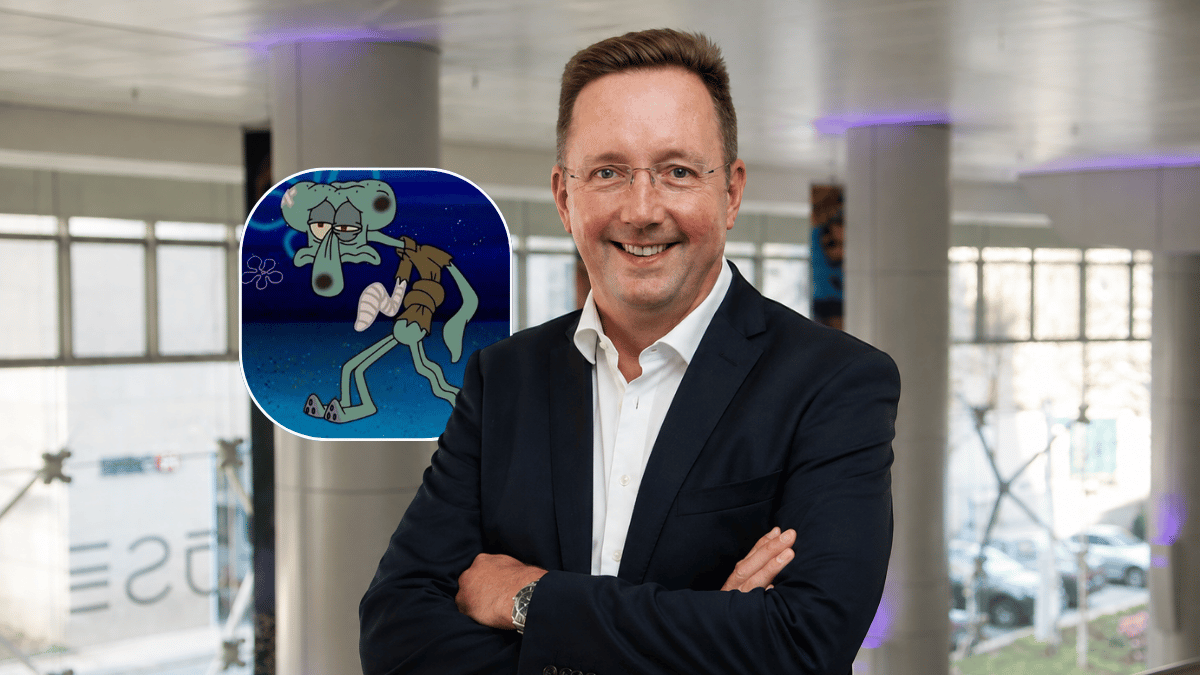
The Foschini Group has had the kind of year that usually ends with someone paying for it — and this time, the bill landed on the people at the top. Chief executive Anthony Thunström saw his total 2026 pay slashed by 59% to about R18.5 million, after weak results and a poor share price performance. A year earlier he took home a far heftier R45 million. His finance chief, Ralph Buddle, was cut too, to about R8.5 million from R18 million. Both men agreed to forgo their bonuses and long-term incentives for the year entirely.
A year worth forgoing a bonus over
The numbers explain the restraint. Basic earnings per share fell 58% to 411.2 cents, even as turnover edged up 7% to R62.4 billion. Annual profit has more than halved over four years, sliding from R2.91 billion in 2022 to R1.32 billion in the 2026 financial year. The share price told the same story, down almost 55% year-on-year to R56.26. TFG also trimmed its final dividend by 39% to 140 cents.
The reset: fewer stores, more Bash
Rather than wait for shoppers to return, the retailer is remaking itself. It has identified 300 underperforming and marginal stores to shut and already closed 100 during the year. To protect cash, it held back about R600 million in planned capital spending. The strategy leans on its fast-growing online arm, Bash, to run what management calls a more “capital-light” business — one that closes weak stores and sharpens the brand line-up rather than simply opening more space. Management makes the trade-off explicit: the extra R1.1 billion in Bash sales this year would have needed more than 100 new stores and about R500 million in capital to match through bricks and mortar. Group-wide, TFG opened 233 stores and closed 242 over the year, leaving it trading from 4,914 stores across 18 countries.
Chief executive Thunström framed it as a deliberate choice, not a defensive crouch: “Given the very uncertain global outlook, we cannot and will not simply wait for conditions to improve,” he said, pointing to “decisive, strategic action” to protect profitability and returns. For a business built on physical stores, the message is striking — the next chapter of growth may come from closing shops, not opening them.