Eskom has thrown its hat into the renewable energy ring, launching a dedicated green division as the embattled state utility's long-promised break-up gathers momentum. Eskom Green, unveiled this month, will focus on developing large-scale renewable projects and helping major industrial users meet their decarbonisation targets.
The new business marks a sharp departure from Eskom's traditional model of vertically integrated, coal-heavy generation. The utility said it built Eskom Green after benchmarking more than 20 power companies around the world, concluding that renewable projects demand different sources of capital, delivery models and "bankable project structures" than its legacy operations.
A subsidiary in the making
For now, Eskom Green sits within Eskom Holdings, but the group intends to spin it out into a wholly owned subsidiary with its own independent board, subject to the necessary regulatory and shareholder approvals. It forms part of Eskom's broader unbundling — the restructuring that is also separating the utility's generation, transmission and distribution arms.
Group chief executive Dan Marokane framed the launch as a milestone. "We have been playing in this space for some time, and we are now putting a stake in the ground — this is a development that South Africa can be proud of," he said. Group executive for renewables Rivoningo Mnisi said the unit would help local industry lower its carbon footprint and stay competitive on export markets.
Coal stations get a green makeover
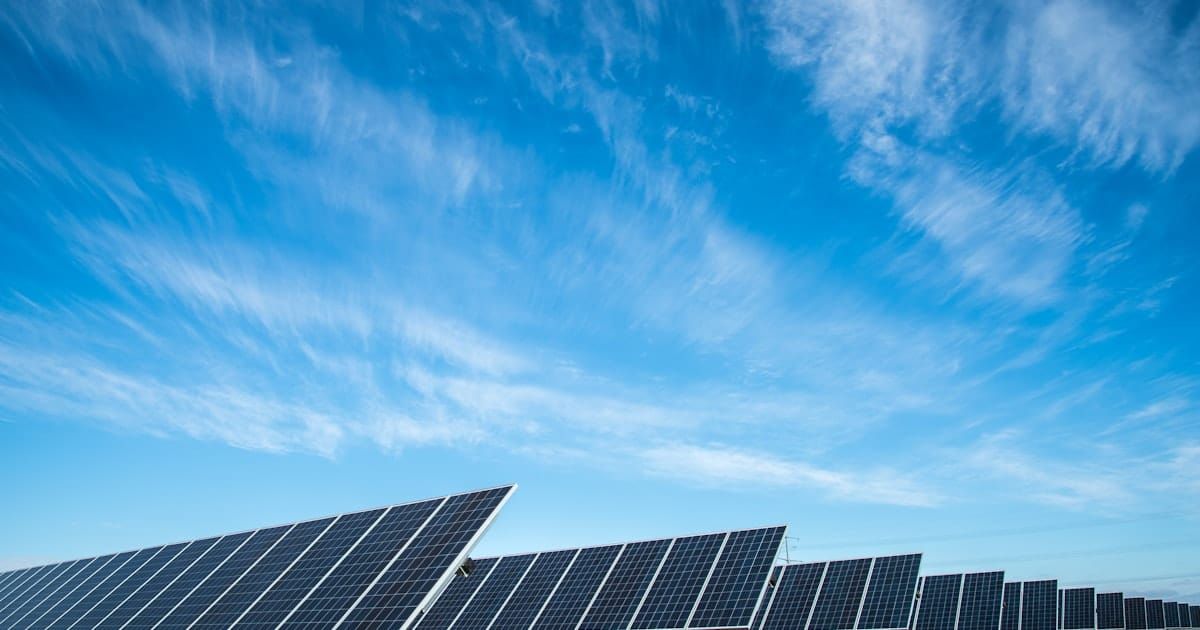
Eskom Green plans to lean on infrastructure it already owns. The utility has identified 17 high-priority projects at its existing coal-fired stations, aiming to deliver roughly 6 GW of additional capacity by 2030, including at least 2 GW of renewables and pumped storage. The first, a 75 MW solar plant at the Lethabo station in the Free State, is already taking shape, with the Komati power station next in line.
On pricing, Eskom Green promised a transparent, pass-through wholesale tariff, with network and wheeling charges shown as separate line items rather than marked up. Funding for the early phases has been set aside within Eskom's approved capital budget and will rely on on-balance-sheet financing, in line with the conditions attached to its National Treasury debt relief. For a utility long synonymous with load-shedding and ballooning debt, a credible renewables arm would be a notable step in rebuilding its reputation.