Edgars is on the comeback trail. Six years after its parent company Edcon collapsed into voluntary business rescue, the retail icon is opening 50 new-generation community stores over the next two years, with the first breaking ground in July and August. Each is a smaller, community-focused format, sized for the town it serves.
Shrink first, grow later
The expansion is the payoff from an aggressive downsizing. Since Durban-based Retailability bought the brand in September 2020, it has returned more than 100,000 square metres of trading space to landlords and halved the floor space at major flagship stores. That trim cost about 5% in sales but lifted profit by R6 million and cut the annual rent bill by R150 million. The rightsizing was less retreat than repair: a reset of the cost base before adding new stores. Edgars now runs around 100 stores, down from the 194 that Retailability originally took on. Management says the smaller community formats let the group trade sustainably in regional hubs where it previously could not. It had been a long fall: Edgars' parent was bought by US private equity firm Bain Capital in 2007, which delisted Edcon from the JSE before mounting debt and Covid tipped the group into rescue.
Run like a start-up
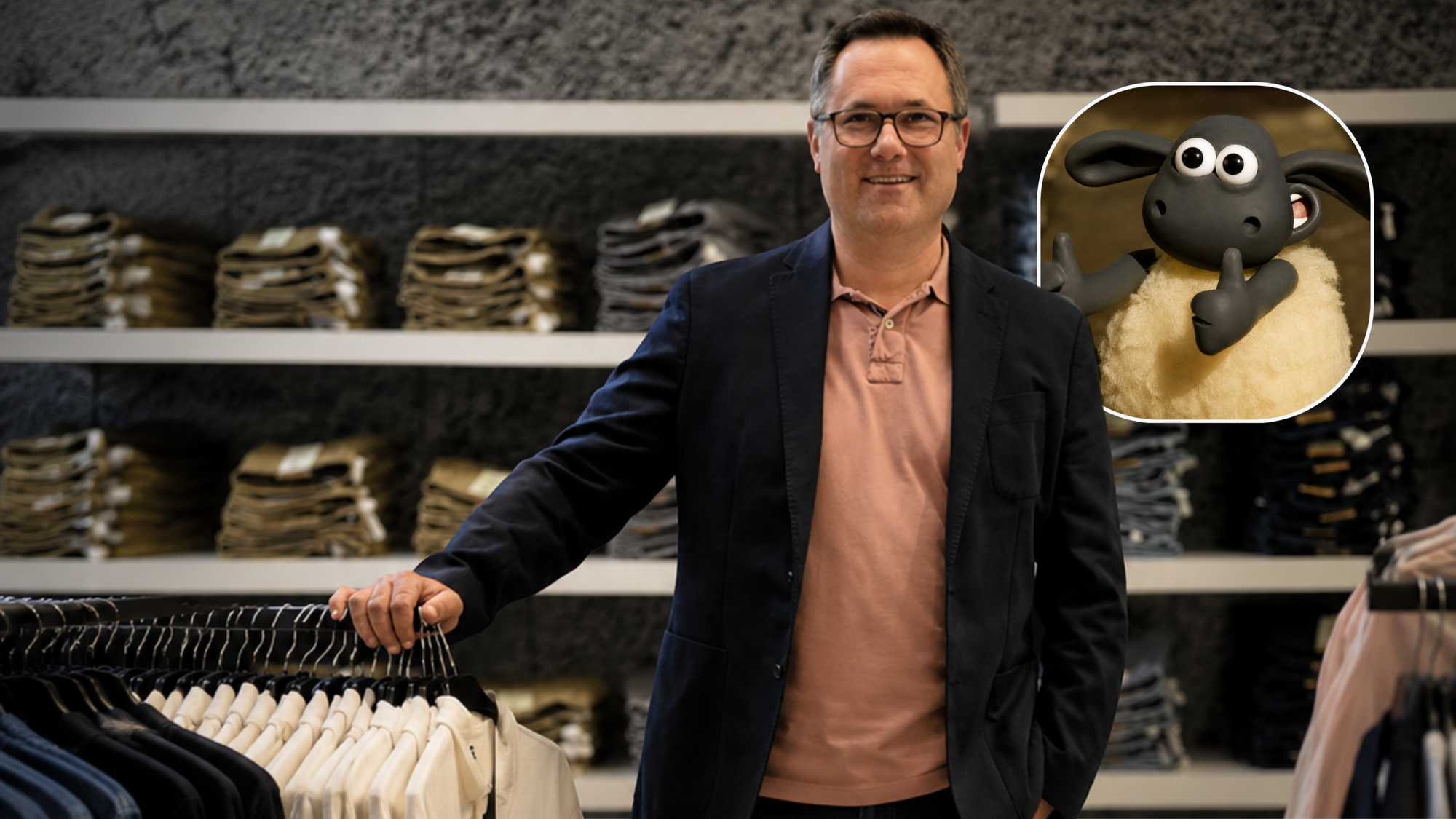
CEO Norman Drieselmann frames the turnaround as discipline, not luck. "We respect the 97-year heritage of this brand deeply, but we run the business like a start-up that is completely fixated on its customers," he says. "We made very deliberate decisions to ensure that every store is the right size for the market it serves. The work we have done over the past three years has paid off." The group is also growing around the edges: an 18-store Edgars Beauty chain pushing into the Boland towns of Paarl and Stellenbosch, a first standalone Edgars Connect cellular store, and a fourth outlet for ladies' fashion brand Kelso.
For a brand founded in 1929 that spent years shrinking, opening doors again is a statement of intent. "At 97 years old, this brand still has significant growth ahead of it," Drieselmann says. The next two years will show whether the smaller-store bet keeps paying off.