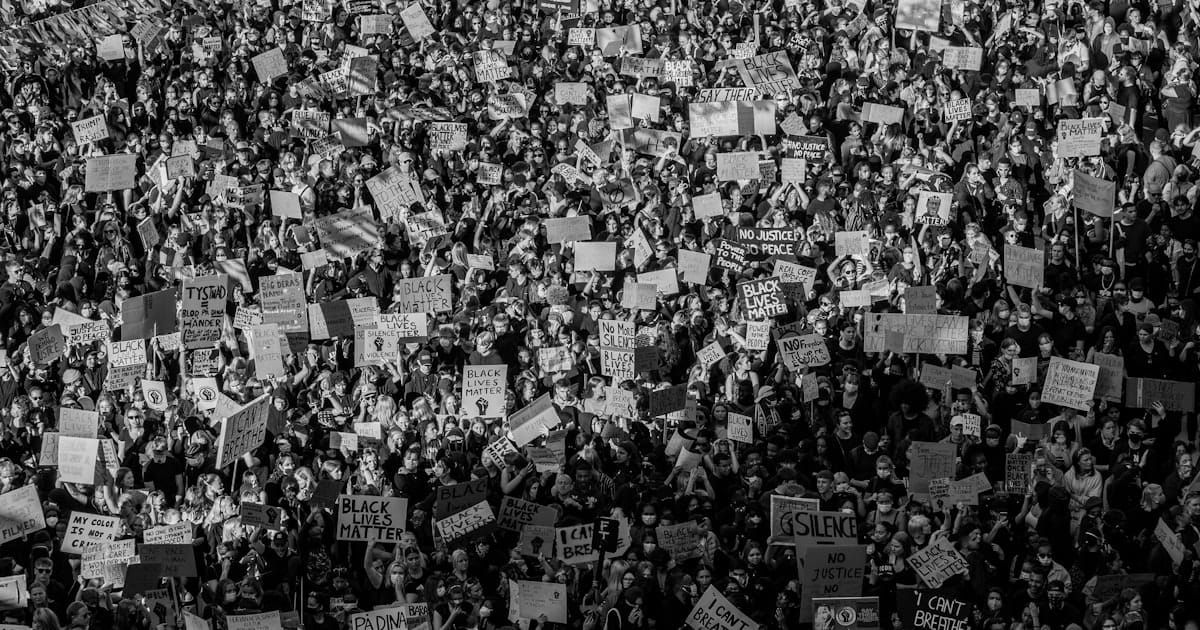
Businesses across South Africa are bracing for disruption as a controversial 30 June deadline, set by anti-immigration groups for undocumented foreigners to leave the country, arrives amid heightened security. The date has been popularised by the movement known as March and March, founded by former radio presenter Jacinta Ngobese-Zuma, and taken up alongside the Operation Dudula group in a string of marches.
The economic fallout is already visible where it lands hardest. In several townships, spaza shops run by foreign nationals have closed temporarily or shut entirely after threats and attacks. Residents have found themselves with reduced access to everyday goods, while the traders themselves have lost critical income, a reminder of how deeply migrant-owned businesses are woven into the informal economy that millions rely on.
Pressure on the inner city
Johannesburg's central business district has been a focal point, with marchers heading to retail hubs such as the China Shopping Centre and Dragon City to demand compliance with labour laws. Some demonstrations have gone further, calling on businesses to dismiss all foreign nationals, including those holding valid documentation. Police have been deployed in strength: acting Police Minister Firoz Cachalia said the South African Police Service, working with metro and private security, was prepared for the planned demonstrations.
A regional ripple
The unrest has prompted a regional response. Several African governments, among them Nigeria, Malawi, Zimbabwe, Ghana and Mozambique, have moved to repatriate citizens, with flights operating through the end of the month. For an economy that leans on cross-border labour and trade, the exodus carries costs that extend well beyond the immediate flashpoints.
The government has tried to lower the temperature, dismissing a widely shared poster bearing the national coat of arms, which claimed an official deadline, as fake, and stressing that no such order exists. Even so, the climate of fear has been enough to dent trade and unsettle communities. For South African business, the episode is a sharp reminder that social stability and the bottom line are rarely separate concerns.