A supermarket that cuts its prices can usually count on selling more groceries. Whether it makes more money doing it is another matter, because every rand knocked off the shelf price has to be earned back somewhere else. Boxer, the discount grocer once wholly owned by Pick n Pay, spent the six months to August finding out. Food across South Africa got about 2% dearer over the period, by Statistics SA's count, while Boxer's own selling prices fell 2.4%. Its headline earnings still rose 9.1%, to R565 million.
Cheaper prices, fuller trolleys
The first half of the plan worked as intended. In stores open in both periods, Boxer's sales rose only 1.4%, held down by the lower prices. Strip the price cuts out and the company estimates that the amount of shopping going through those same tills grew 3.8%. Add the new stores, and turnover rose 6.3% to R24.1 billion.
That still left the harder half. Selling more for less does not by itself make a business more profitable, and Boxer's costs were not standing still. Trading expenses, the bill for running the stores, energy and advertising, rose 10.2% to R4.2 billion, faster than sales, mostly because of all the new stores it keeps opening.
Where the profit came from
Two things covered the gap. The first was what Boxer kept on each sale. A better mix of products, and the economies of scale that come from buying and moving goods in bigger quantities, lifted its gross margin by half a percentage point, enough to pay for the price cuts and for dearer diesel.
The second came from outside the till. Brands pay Boxer for shopper data through its B-Inside portal, and for advertising through B-Media, launched this financial year. Together with value-added services, those lifted commissions and other income by 34.7%, to R260 million.
Add it up and trading profit grew 8.1% to about R1 billion, a little faster than sales, so Boxer kept about 4.2 cents of every rand as trading profit, a touch more than a year earlier. The balance sheet got stronger too: cash net of debt, leaving leases out, rose from R0.7 billion to R2.3 billion over the half.
The man who moves the groceries
The results came with a succession. Marek Masojada joined Boxer in 1993, when it had five stores and turned over R120 million a year. He ran its finances for 25 years before becoming chief executive in 2024, and took the company through its JSE listing. He retires at the end of February next year, aged 61. "Having worked alongside Justin for many years, I know Boxer will continue its momentum," he said.
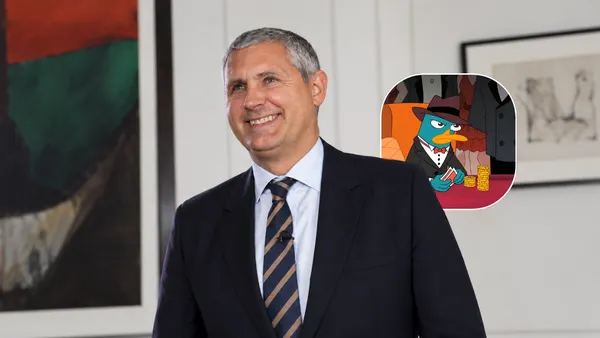
Justin Galloway, named chief executive-designate on Monday, runs the network that carries all those extra groceries. The chartered accountant joined in 2012, worked in finance and then store operations while the discount format took shape, and then took over supply chain, leading the team that built Boxer's distribution network from the ground up. He takes the title on 1 March 2027, with Masojada staying until November that year.
That network has more ground to cover. Boxer opened its 600th store this half and is aiming for 60 new ones by February, and it had opened 32 by the end of September. Trading has picked up since the half closed, it says, but it calls its visibility low, with oil and diesel still expensive and the rise in food prices it expected this year yet to arrive.