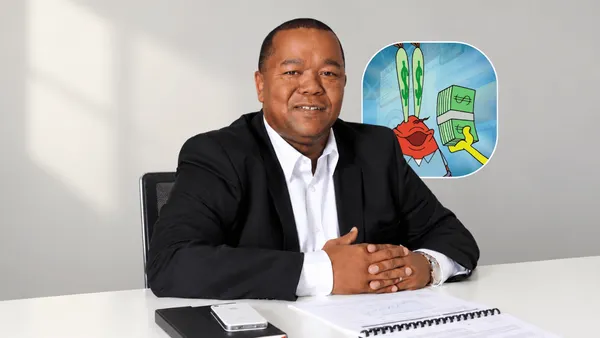
Thirty years after Steve Brookes started out building 50 sectional-title units in Johannesburg South, the company he founded has gone back into private hands. Balwin Properties stopped trading on the JSE and on A2X at the opening of business on 22 September, closing out almost eleven years as a listed company. Shareholders backed the R2.26 billion take-private with 98.48% of eligible votes cast, and were paid R4.35 a share in cash the day before.
The buyer is a vehicle backed by the Public Investment Corporation, which is investing on behalf of the Government Employees Pension Fund. Brookes and managing director Rodney Gray have put their own money back in alongside it, and the management team stays where it is. Brookes said he founded Balwin 30 years ago and remains as committed to the business today as he was then, and that he and Gray are reinvesting because they believe in the people and the development pipeline.
What eleven years on the exchange bought
Balwin listed on the JSE in 2015, in the real estate investment and services sector, and added a secondary listing on A2X in 2023. Over those years it handed over about 26,000 apartments, booked R28.3 billion in revenue from apartment sales, and returned almost R1 billion to shareholders in dividends. It completed its 100th residential development last year. Brookes' verdict on the experience is that being listed made Balwin a better company, and that the discipline and accountability it brought are now part of how the business is run.
The lagoons that sold the apartments
The developments people actually know are the ones with water in them. Balwin built South Africa's first clearwater lagoon at The Blyde in Tshwane East in 2018, under an exclusive agreement with Crystal Lagoons, and then a three-hectare version at Munyaka in Waterfall City, a R10 billion estate that brought beachside living to Johannesburg in 2023. It was the second of its kind.
Private ownership does not change what gets built. The group says it will carry on with the development model behind its growth, alongside its annuity business and a build-to-rent platform still in its early stages. What changes is the audience: the pipeline now gets reported to the PIC and the pension fund standing behind it, rather than to the market every six months.