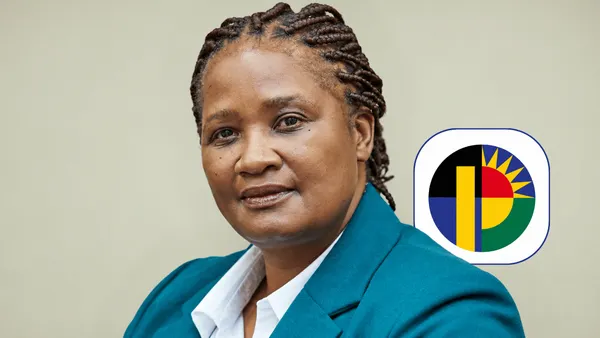
African Bank spent the early 2020s buying other banks. It took Grindrod Bank for R1.5 billion, absorbed the assets and liabilities of UBank, and paid R3.25 billion for commercial banking units carved out of Sasfin. On Wednesday it named four new executives to run what all that buying produced, and confirmed the process meant to remove the parts of it now doing the same job twice.
That process has a formal name. A Section 189A is the part of the Labour Relations Act a large employer has to work through before it can make big cuts, and African Bank says it is running its one with the trade union SASBO and non-union staff representatives, through the CCMA, in good faith and with full disclosure.
The numbers attached to it are the bank's own and they are two months old. In July African Bank said the review of staff costs could potentially mean 1 200 job losses and the closure of up to 90 branches. Nothing said on Wednesday updated either figure.
The seat nobody permanent is sitting in
Chief financial officer Anbann Chetti resigned with immediate effect on 11 September, having been on the board since August 2023. That was six months after Kennedy Bungane left the chief executive's job in March. Given Bhutana Mabena is acting group chief financial officer while the bank follows its governance process for a permanent appointment.
Zweli Manyathi went the other way. He ran the bank in an acting capacity after Bungane and was confirmed permanently at the end of August, with the Prudential Authority's approval and a group retirement age raised to accommodate him, which he reached that same month. Board chair Thabo Dloti says the leadership structure is designed for continuity, blending long-serving institutional knowledge with high-calibre external talent.
What the buying cost
The loss is the reason any of this is happening. African Bank reported a net after-tax loss of R624 million for the six months to the end of March, which Business Day puts down to rising credit impairments, integration problems and the cost of the expansion itself. Impairments, the money a lender sets aside when borrowers stop paying, rose to R1.78 billion on worse defaults than expected. The bank's own July statement said it more plainly: costs were running ahead of the revenue left once risk is accounted for.
African Bank did not chase every deal it looked at. Earlier this year it walked away from a proposed R5 billion purchase of Eskom's home loan book, shortly after parting ways with Bungane. The bank calls the current financial year a transition year into its consolidation phase, and the consultations are still running.