Kumba Iron Ore has just posted the kind of half-year that even a well-run miner would rather forget. The Anglo American-owned group said on Tuesday that its earnings fell by almost a third in the six months to end-June, as a stronger rand, weaker prices and lower sales volumes all pulled in the same direction. Revenue dropped 11% to R30.9 billion, with the firmer rand alone cutting R3.2 billion off the top line and a slight dip in the average export iron-ore price shaving off close to another R1 billion.
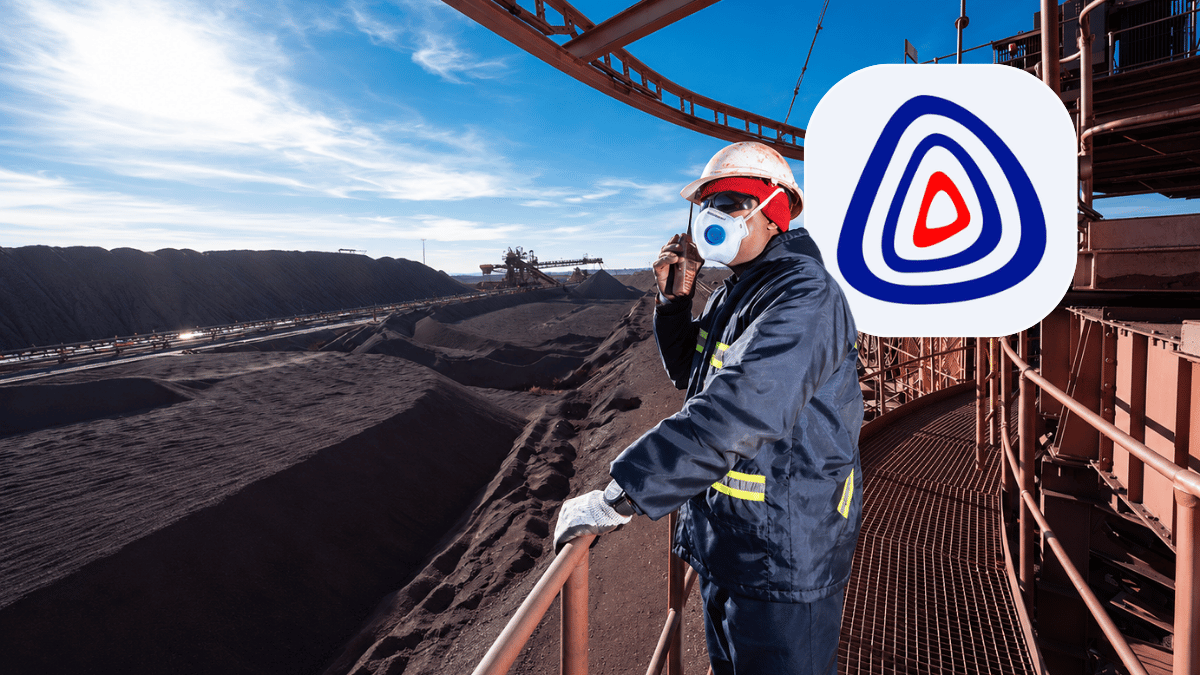
The numbers behind the slump The pain ran through every key figure. EBITDA, a common measure of operating cash earnings, fell 32% to R10.9 billion, and the margin on that measure narrowed to 35% from 46% a year earlier. Headline earnings per share, the cleaned-up profit figure South African-listed companies must report, dropped 41% to R13.24, and the company still declared an interim dividend of R7.90 a share, returning 60% of those earnings, or R2.5 billion, to shareholders. Free cash flow, the cash left after running and investment costs, slid to R1.9 billion from R7.9 billion, largely because of higher spending to sustain and grow the business. Production fell 3% to 17.7 million tonnes, held back by a softer showing at the Kolomela mine and, earlier in the year, record rainfall and planned Transnet rail maintenance.
A better second half? CEO Mpumi Zikalala said the results reflected a challenging external environment and tough operating conditions, but pointed to a recovery ahead. She said conditions were expected to improve in the second half as the weather turns, supporting a rebound in the waste mining needed to reach full-year targets. Kumba is also investing in new UHDMS processing technology at its Sishen mine, which it expects to triple the share of premium-quality ore it produces and extend the mine's life. Management kept its full-year sales guidance at 35 to 37 million tonnes and capital spending at R13.2 billion to R14.2 billion.
Zikalala was careful not to declare the worst over, warning that the cost environment "remains volatile" with risks tied to the Middle East, and that the group's answer is strict cost discipline and its efficiency drive. For a business at the mercy of iron-ore prices and the rand, that caution looks well earned.